

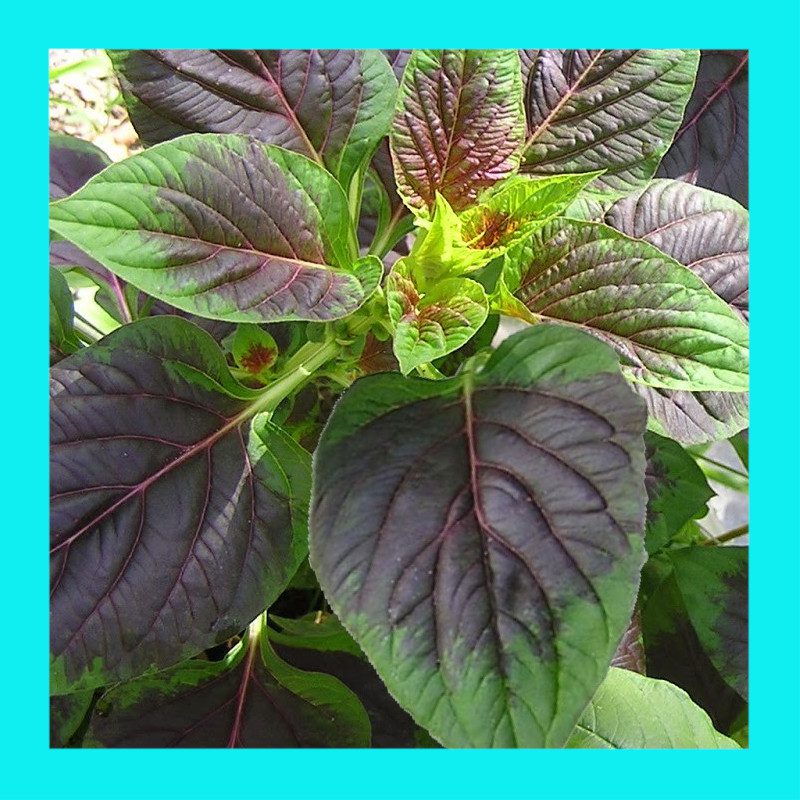
AMARANTH-BICOLOUR GREENS
Shipping and taxes calculated at checkout
SKU: AMBC
- Fast Australia-wide dispatch
- Secure checkout
- 30-day money-back guarantee
How to Grow Amaranth Bicolour Greens
- Amaranth Bicolour Greens need plenty of sunlight to grow properly, so choose a location in your garden that gets at least six hours of direct sunlight each day.
- Prepare the soil preferred by Amaranth Bicolour Greens to be well-drained soil that is rich in organic matter. Work compost or well-rotted manure into the soil before planting to provide the plants with the nutrients they need.
- Plant the seeds directly in the garden once the soil has warmed up in the spring. Sow the seeds about 1/4 inch deep and 1 inch apart. You can thin the seedlings to about 6 inches apart once they have sprouted.
- Water regularly as Amaranth Bicolour Greens need consistent moisture to grow properly. Dry spells require consistent watering or the soil can dry out nd not support a good healthy plant growth. Be careful not to overwater, as this can lead to root rot.
- Fertilise regularly as Amaranth bi-colour greens are heavy feeders and benefit from regular fertilisation. Use a balanced fertiliser, such as a 10-10-10, once a month during the growing season.
- Harvest the leaves once the plants reach about 12 inches tall. Harvest the leaves by cutting them off about an inch above the soil line. The plants will continue to produce new leaves throughout the growing season.
- Watch for pests and diseases though Amaranth Bicolour Greens are generally resistant to pests and diseases. But you should still keep an eye out for problems such as aphids, caterpillars, and powdery mildew. Use an organic insecticide or fungicide if necessary.
Heritage of Amaranth Bicolour Greens
Amaranth Bicolour Greens, also known as Amaranthus tricolor, can be traced back to ancient Mesoamericais (in South America) where it is believed to have originated. The edible leafy plant has been cultivated for thousands of years by various indigenous cultures in the Americas, and it was a staple food crop for the Aztecs and Incas. Considered sacred it was used in religious ceremonies, as well as for its nutritional and medicinal properties. Amaranth Bicolour Greens were brought to other parts of the world by Spanish conquistadors in the 16th century. When the Spanish colonised the Americas, they banned the cultivation of amaranth because of its association with indigenous religious practices. However, amaranth continued to be grown in secret and eventually made its way back into mainstream cuisine were it was quickly adopted by other cultures for their nutritional value and delicious taste. The plant is now widely cultivated in tropical and subtropical regions of the world, including Australia, Asia, Africa, and the Caribbean.
| Plant Height | 60 - 120cm (1'12" - 3'11") |
|---|---|
| Season of Interest | Summer / Autumn |
| Temperature Range | 18 - 30°C (64 - 86°F) |
| Annual / Perennial / Biennial | Annual |
| Frost Hardy / Tender | Tender |
| Sun Exposure | Full Sun |
| Sow Direct / Raise Seedlings | Sow Direct / Raise Seedlings |
| Soil Type | Well drained fertile soil |
| Soil pH | 6.0 - 7.5 |
| Soil Temperature | 15 - 25 °C (60 - 77 °F) |
| Seed Preparation | No special preparation required |
| Sowing Depth | 0.6 - 1.3mm (⅛") |
| Plant Spacing | 30 - 45cm (1⅛" - 1'6") |
| Row Spacing | 60 - 90cm (1'12" - 2'11") |
| Watering | Regular to keep soil moist, not waterlogged |
| Germination Time (Days) | 7-14 days |
| Harvest Time (Days) | 30 - 60 |
| Good Companion Plants | Legumes, Sunflowers, Corn, Squash, Tomatoes, Leafy greens, Marigolds, Basil |
| Bad Companion Plants | Brassicas (broccoli, cabbage, cauliflower, kale), Nightshades (tomatoes, peppers, eggplants, Legumes, Fennel, Dill |
| Pests | Aphids, Flea Beetles, Caterpillars, Leaf Miners |
| Diseases | Downy mildew, Clubroot, Fusarium wilt, Black rot, Alternaria leaf spot, Anthracnose |
| Not shipped to Tasmania | true |
| Seeds per pack | 590 |
| Min temperature (C) | 18 |
| Max temperature (C) | 30 |

AMARANTH-BICOLOUR GREENS
$3.50

More About Direct Compost Solutions
When I started this journey in 2009, I found nothing existed commercially, that was reasonably priced and easy to use. There was a homemade system which I also found was not that user-friendly.
Then a friend of mine told me about a homemade method she used. However, when I tried her method, I found this also didn't suit my needs, as it too had flaws that I considered where important. It did not keep vermin out, did not have a lockable lid and (to me) looked unsightly in the garden.
