

Made in Australia — Est. 2010
Simplicity by design
How It Works
Six easy steps and you're composting everything — no turning, no chopping, no hard work.
 1
1
Dig
Dig a hole and pop your Compot into the ground, level with the soil.
 2
2
Plant
Plant around it — the Compot works invisibly beneath your garden bed.
 3
3
Fill
Fill with all your kitchen waste — meat, dairy, citrus, oil and more.
 4
4
Forget
Forget about it — soldier flies and worms do the composting for you.
 5
5
Refill
Refill whenever it's ready — there's no schedule, no turning required.
 6
6
Propagate
Use the Compot Top to propagate seeds and seedlings at the same time.
Shopper favourites
Best Sellers
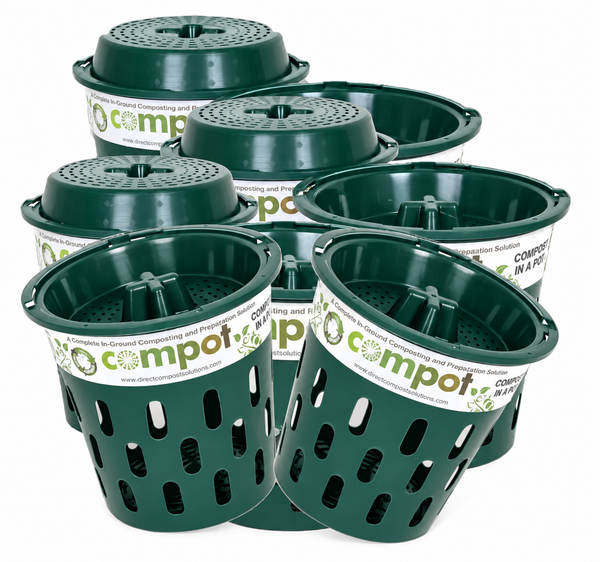
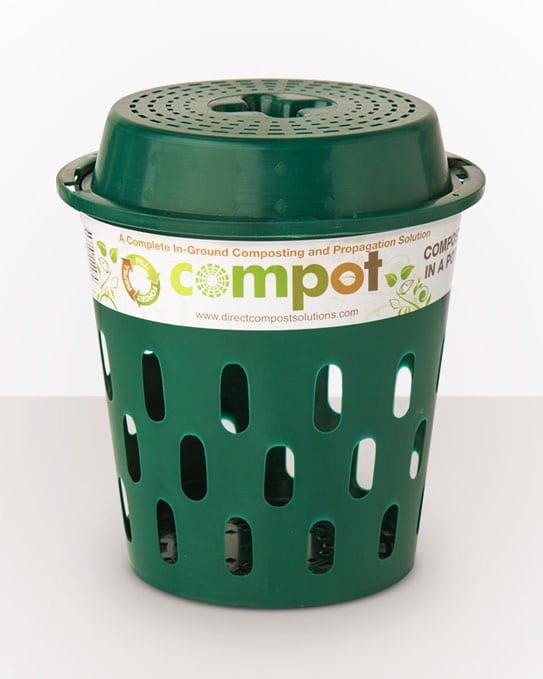
5L Compost Bin x 8
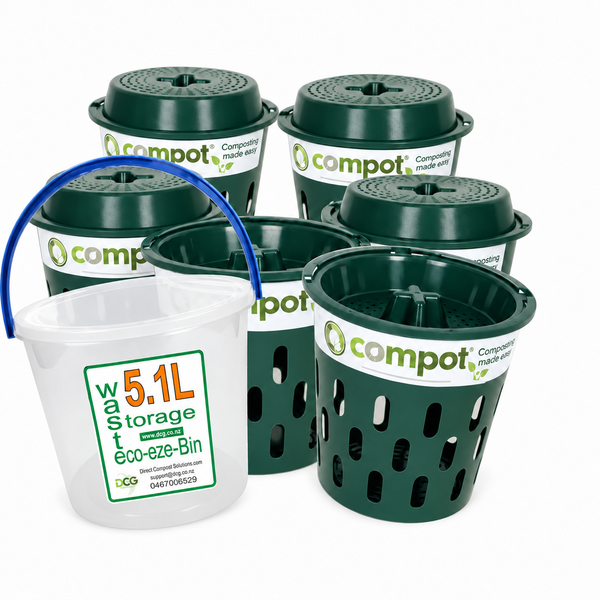
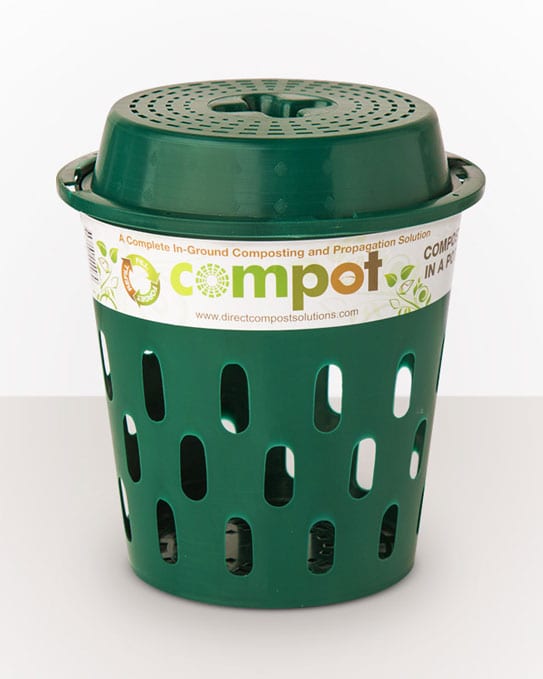
5L Compost Bin x 6
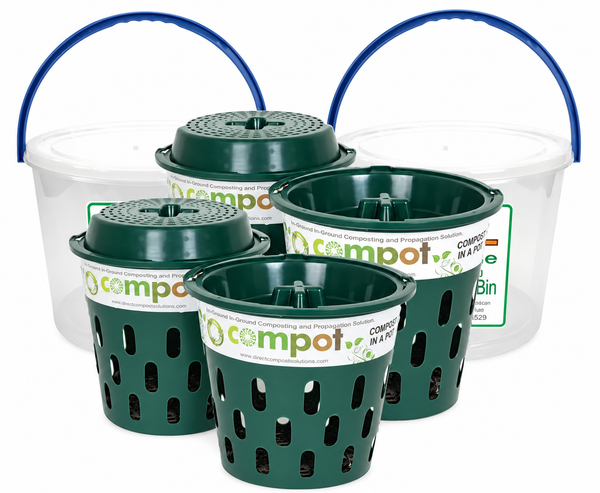
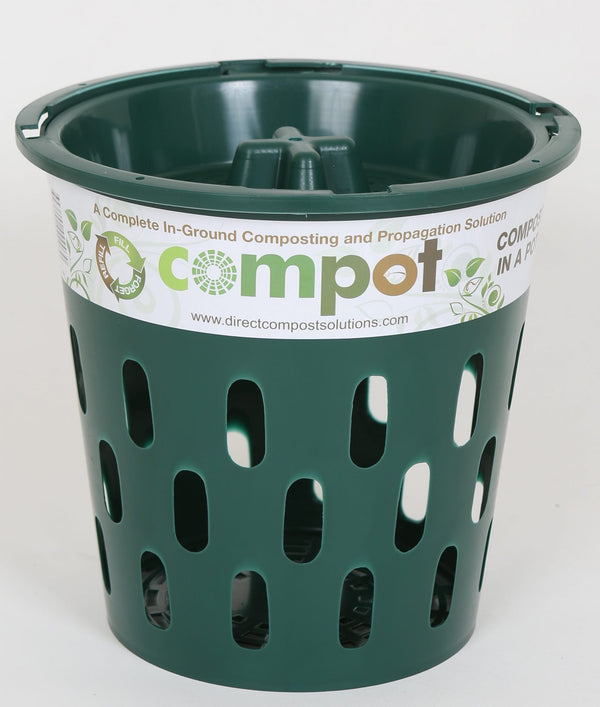
5L Compost Bin x 4

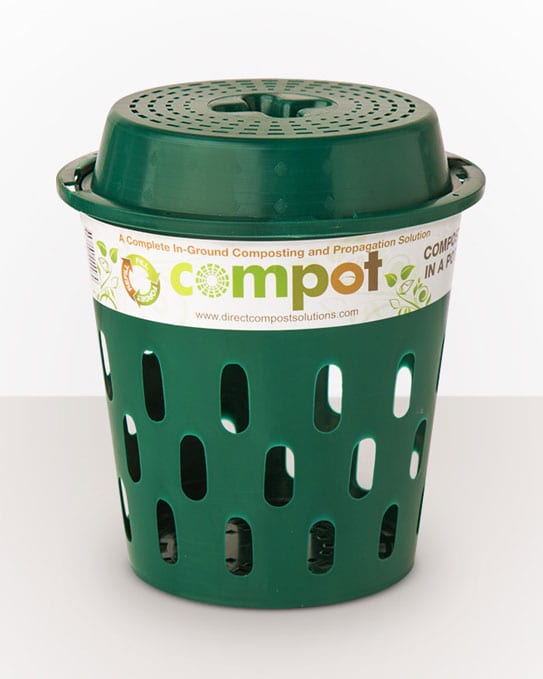
5L Compost Bin x 3
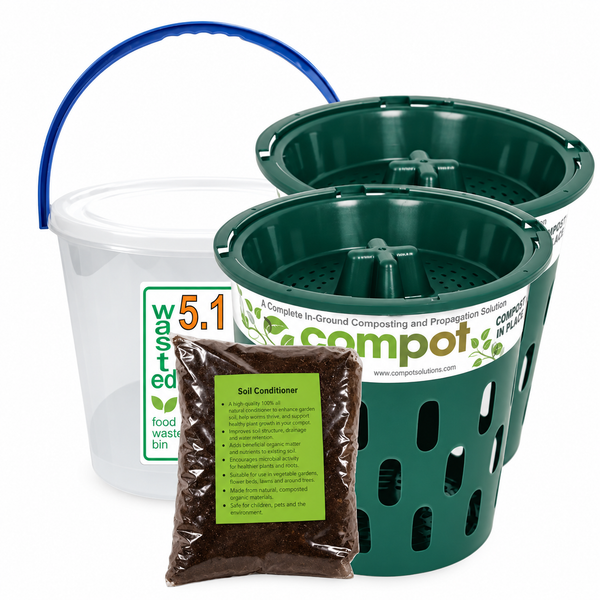
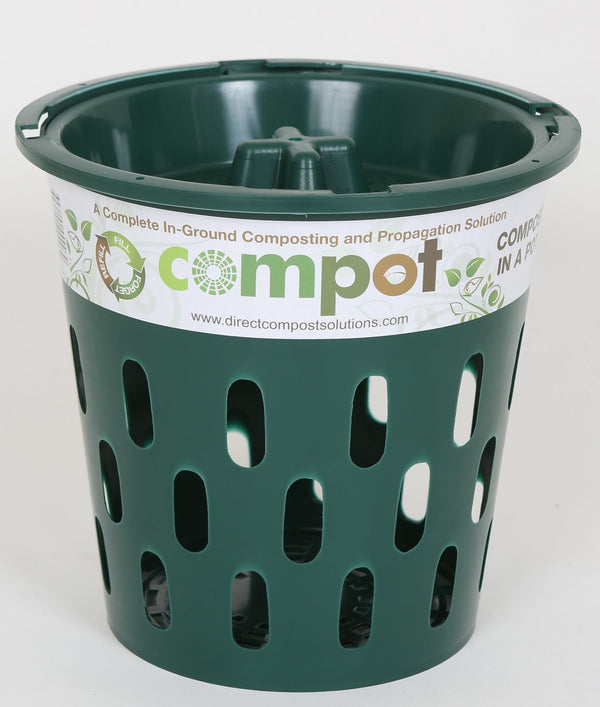
5L Compost Bin x 2
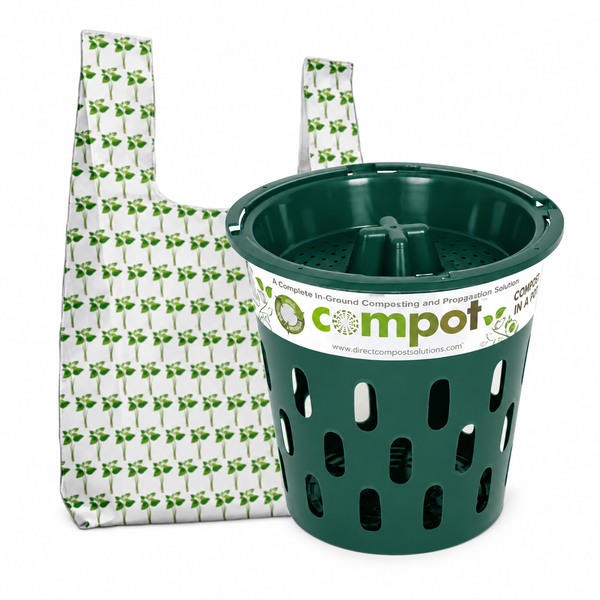
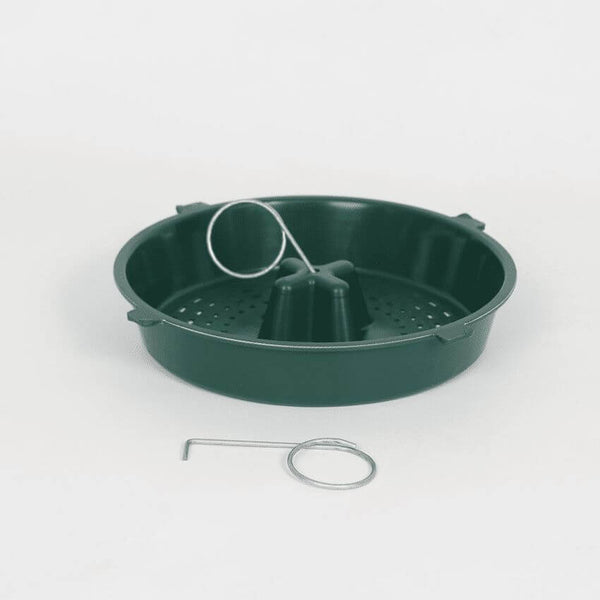
5L Compost Bin x 1
Why choose an ECO-EZE Composter
Composting made effortless
Discover the ultimate eco-friendly and cost-effective compost bin solution — a smart composting system suitable for every household. Proudly made in Australia and available for shipping worldwide.
- Compost meat, citrus, onions, oil & dairy
- Compost animal waste as well
- Reduce your council waste
- No more smelly council bins
- Invisible in your garden
- Feeds your plants directly
- Easy to install or remove
- Super fast results — no turning, no hard work
Shop by category
Our Collections
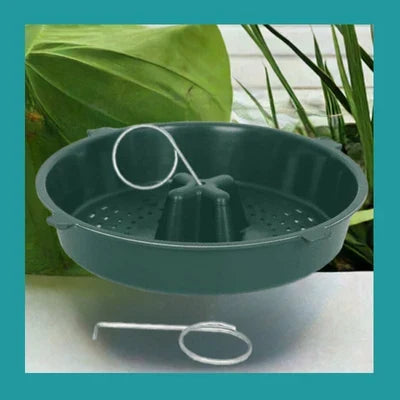
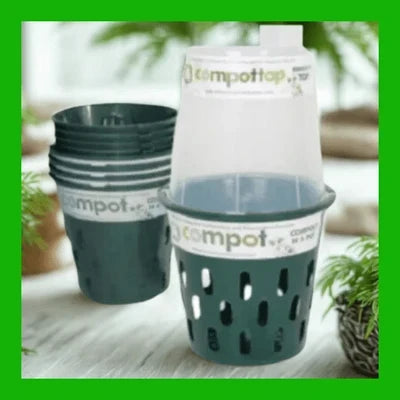
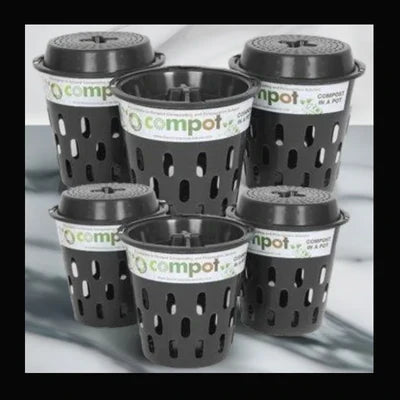
See it in action
How to Install and Use the Compot
Dig a hole level with the soil, drop in your Compot, and start filling it with all your kitchen waste. Soldier flies and worms do the rest — no turning, no chopping, no hard work.
Learn as you grow
All About Composting
From choosing the right spot in your garden to troubleshooting a Compot that seems to have stalled, our composting library covers everything you need to know to get the best results, all year round.
Why choose Compot
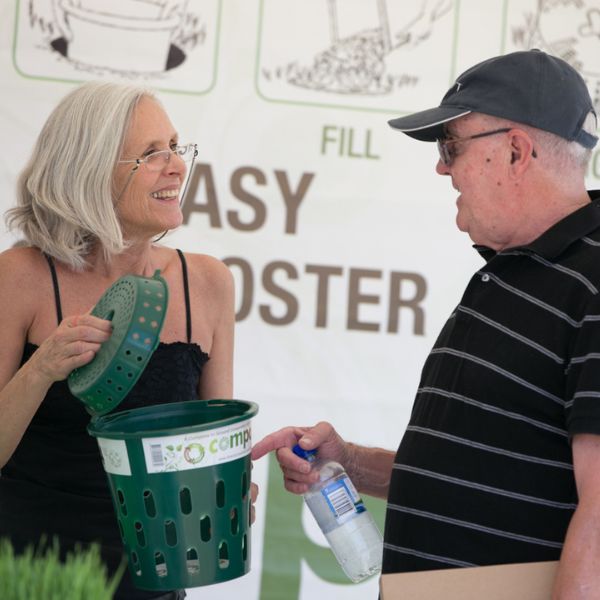
Whether you have a petite garden or a sprawling landscape, this composter adapts seamlessly, accommodating any household waste volume.
Everything else you need
Our Extras


Features & Benefits
Gardening Tips

More About Direct Compost Solutions
When I started this journey in 2009, I found nothing existed commercially, that was reasonably priced and easy to use. There was a homemade system which I also found was not that user-friendly.
Then a friend of mine told me about a homemade method she used. However, when I tried her method, I found this also didn't suit my needs, as it too had flaws that I considered where important. It did not keep vermin out, did not have a lockable lid and (to me) looked unsightly in the garden.
Customers Love Us


Got questions?
Frequently Asked Questions
YES. Absolutely you can fill it with just worm friendly scraps if that is what you prefer, but you will have to separate all your scraps into two piles. I personally don’t have time to fiddle with separating food waste and just toss it all in together. One thing though – you may find the Compot will need emptying more often as the worms try to fill the pot up with soil and their castings. But you will have beautiful compost more regularly to harvest if this is your aim and your Compot will be full of worms.
There is no need to water your Compots specifically. When you water your garden water will naturally go into the Compot through the holes and this is a good thing as it will keep the contents nice and moist.
If, however, you found your pots were really dry and the waste was not decomposing at all then you might want to add some water to soften the waste to help the decomposition process along. Dry contents can occur when you don’t cover your Compots with leaves, or hay etc because the hot sun gets in, in summer, and dries the contents out, dehydrating the waste rather than decomposing it. Much the same as if you were to throw your waste out onto an open lawn without burying it. The same will happen in winter but this time it is the cold air drying out or freezing the contents.
You can fill your Compot with any biodegradable waste from your kitchen. IE: Anything that will break down. EG: Meat, citrus, onions, oil, dairy, eggs, coffee grounds, tea and tea bags, paper towel, old nuts, pasta, bread, cooked food of any sort, wastewater (with or without detergent), milk, cream, yogurt, and anything else you can find in your kitchen that you would normally eat or throw in your council bin, aside from the obvious; glass, plastic, metal etc. So literally everything that you produce in the kitchen that is biodegradable.
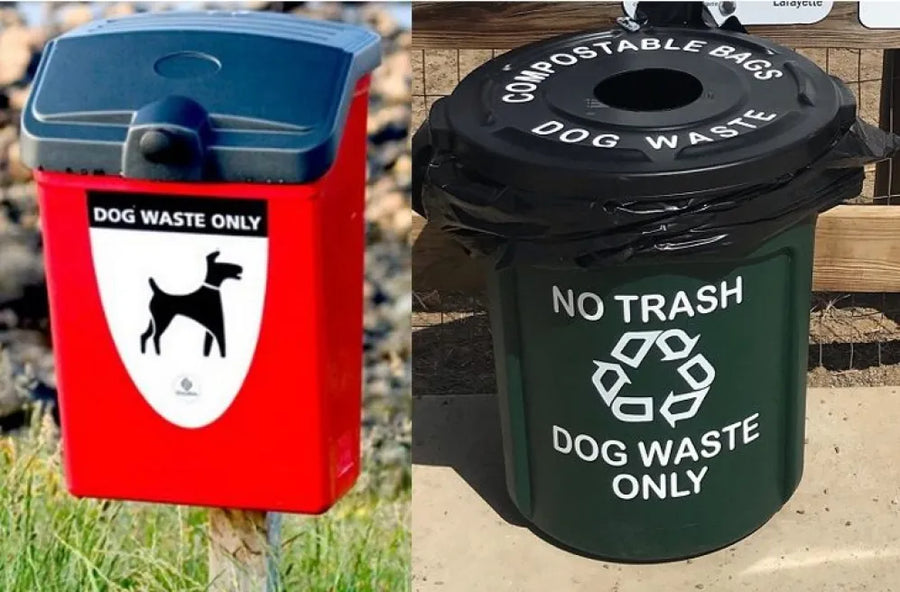
Everything will decompose – even doggie doo (un-medicated preferably unless you are putting this waste by a big tree or unused part of your garden). No doggie doo in your veggie patch either.
The time it takes to decompose will just depend on the density of the food, the time of the year, and whether you are relying on all the elements to decompose your waste or just worms.
If you only want to fill your Compot with worm friendly scraps, then you need to leave out most of what I just said you could put in the Compot. It’s up to you how you want to use your Compot and what you feed it. But I find it more efficient to fill it with everything. Just do what is best for you. See other tips and tricks about ways to make it work faster.
Generally yes — soaking your scraps in wastewater to ferment them for a few days helps deter rats and other garden critters.
Fruit and vegetables can disappear within one to two weeks. Composting all your kitchen waste typically takes 4–6 weeks, or up to 10 weeks in colder climates.
As a general guide, start with one Compot per person in your household, plus one extra for the garden — though this varies with waste volume, climate and soil type.
Learn about composting principles
Learn More
SPEEDY DISPATCH

RELIABLE DELIVERY

BUNDLE & SAVE

