

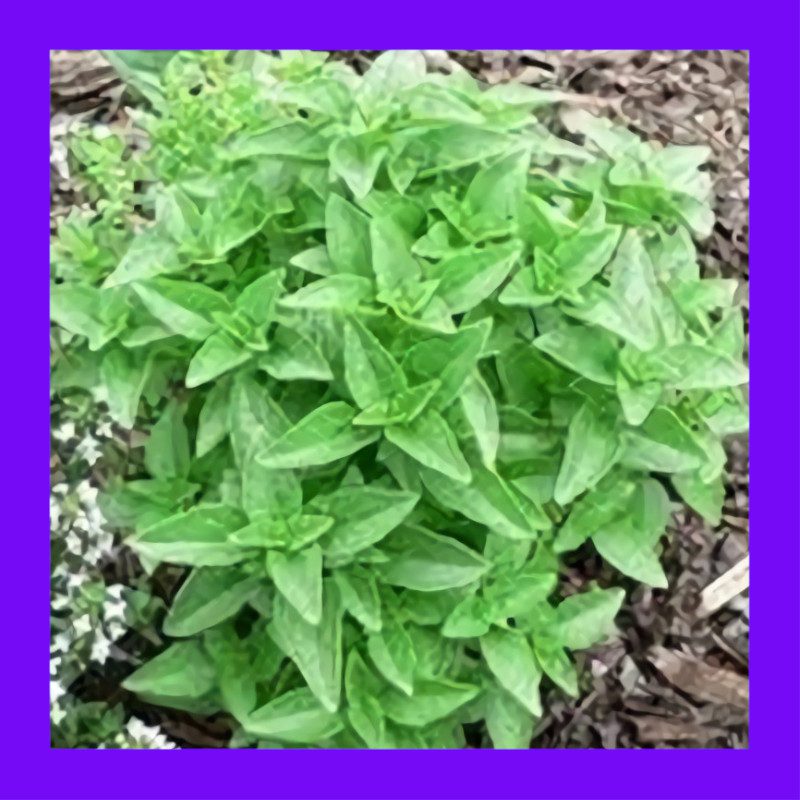
BASIL-GREEK - DWARF
Shipping and taxes calculated at checkout
SKU: HBA-G-D
- Fast Australia-wide dispatch
- Secure checkout
- 30-day money-back guarantee
How to Grow Dwarf Greek Basil
- Choose the right location with well-draining soil and full sun exposure for optimal growth.
- Prepare the soil to ensure that the soil is rich in organic matter, and amend it if necessary. Greek Dwarf plants prefer a slightly acidic soil with a pH of 6.0 to 6.5.
- Start Greek Dwarf Basil indoors in pots or directly in the garden. When planting, space seeds 15 - 30sm (6 to 12 inches) apart, depending on the variety.
- Watering your Greek Dwarf plant requires consistent moisture throughout the growing season. Be careful not to overwater, as this can lead to root rot.
- Fertilisation will benefit your herb from regular applications of compost or an all-purpose fertiliser.
- Prune regularly to promote bushier growth and help prevent legginess.
- Pests and diseases are not common with Greek Dwarf plants. They are relatively hardy and do not often suffer from major pest or disease issues. However, be on the lookout for aphids and powdery mildew and treat promptly if necessary.
Heritage of Dwarf Greek Basil
Greek Dwarf Basil, also known as 'Minimum,' is a type of basil that is native to the Mediterranean region. It is believed to be the smallest variety of basil and generally used in culinary dishes for its intense flavour and aroma. It finds common usage in Greek and Italian cuisine, including dishes like pesto, caprese salad, and tomato sauce. And of course used herb gardens and container gardens. Dwarf Greek Basil possesses high levels of essential oils, which give it a strong, spicy flavor that is slightly peppery and minty. Like other basil varieties, Greek Dwarf Basil has been used for centuries in traditional medicine for its anti-inflammatory and anti-bacterial properties. In addition to its use as a culinary herb, people utilize Greek Basil in aromatherapy and for producing natural perfumes and soaps
| Plant Height | 20 - 30 cm (8 - 12 inches) |
|---|---|
| Season of Interest | Spring / Autumn |
| Temperature Range | 15 - 25°C (59 - 77°F) |
| Annual / Perennial / Biennial | Perennial/Annual |
| Frost Hardy / Tender | Frost Tender |
| Sun Exposure | Full Sun |
| Sow Direct / Raise Seedlings | Direct / Raise seedlings |
| Soil Type | Well-draining soil with organic matter |
| Soil pH | 6.0 - 7.5 |
| Soil Temperature | 18 - 21 °C (64 - 70 °F) |
| Seed Preparation | No special preparation required |
| Sowing Depth | 0.5 cm (0.2 inches) |
| Plant Spacing | 15 - 25 cm (6 - 10 inches) |
| Row Spacing | 30 cm (12 inches) |
| Watering | Regular to keep soil moist, not waterlogged |
| Germination Time (Days) | 7 - 14 days |
| Harvest Time (Days) | 60 - 90 days |
| Good Companion Plants | Tomatoes,Peppers,Oregano,Lettuce,Marigold,Carrots,Borage |
| Bad Companion Plants | Rue, Sage, Fennel,Cucumber,Rosemary |
| Pests | Aphids, Spider mites, Whiteflies, Slugs and Snails, Cutworms |
| Diseases | Fusarium wilt, Downy mildew, Leaf spot,Root rot,Powdery mildew |
| Not shipped to Tasmania | true |
| Seeds per pack | 210 |
| Min temperature (C) | 15 |
| Max temperature (C) | 25 |

BASIL-GREEK - DWARF
$3.50

More About Direct Compost Solutions
When I started this journey in 2009, I found nothing existed commercially, that was reasonably priced and easy to use. There was a homemade system which I also found was not that user-friendly.
Then a friend of mine told me about a homemade method she used. However, when I tried her method, I found this also didn't suit my needs, as it too had flaws that I considered where important. It did not keep vermin out, did not have a lockable lid and (to me) looked unsightly in the garden.
