

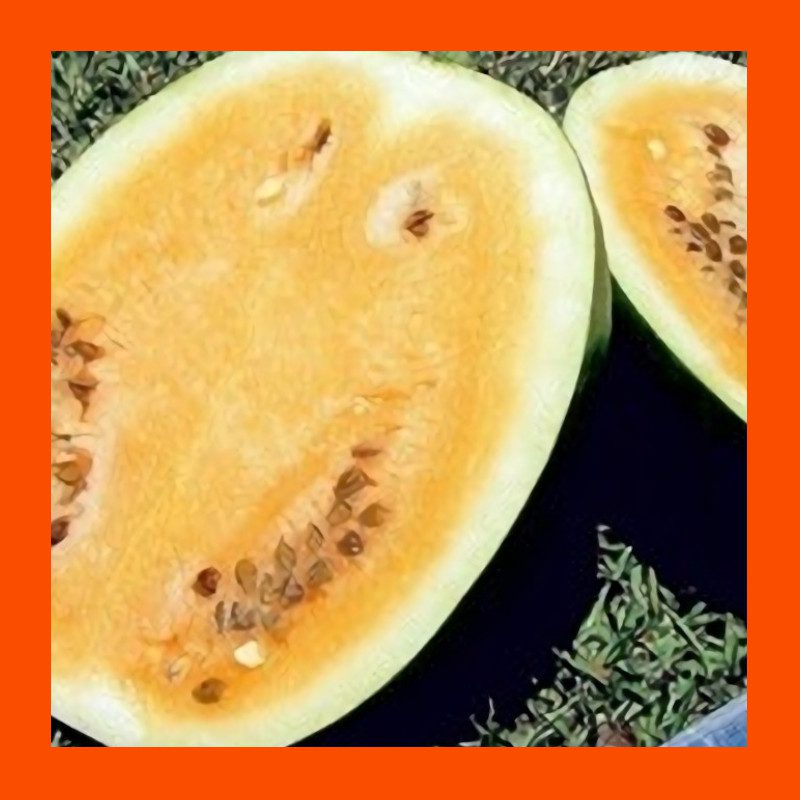
FRUIT-CHAMPAGNE-WATERMELON
$3.20
Shipping and taxes calculated at checkout
Seeds per pack:
10
Citrullus lanatus
FRUIT-CHAMPAGNE-WATERMELON have fine, crispy flesh & a sweet flavor. Slightly oval with fruit approx 20 cm in diameter, they also have a compact vine making them ideal for people with limited garden space. Externally the melon is green with pale stripes. Weight typically 2.5-3.5Kg. This plant is attractive to bees & butterflies. Watermelons contain lycopene (which has been shown have antioxidant qualities) & carotenoids (which convert to Vitamin A in the body), & are a good source of Vitamin C.
Plant seed not over 2.5cm deep 4 to 6 to the hill, pressing soil firmly over them. When plants are well established thin to 2 to each hill. Spring & early Autumn planting.
SKU: FRC-WM
- Fast Australia-wide dispatch
- Secure checkout
- 30-day money-back guarantee
How to Grow Champagne Watermelon
- Choose a sunny location for planting, as watermelons require plenty of sunlight and warmth to grow.
- Ensure that the soil is well-drained, loose, and fertile, with a pH of 6.0 to 7.0. Add compost or well-rotted manure to the soil before planting.
- The soil can be warmed by laying black plastic or clear plastic over the area, several weeks before planting.
- Plant seeds or seedlings after the last frost date in your area. Space the plants about 6 to 8 feet apart in rows that are 8 to 10 feet apart.
- Water the plants deeply and regularly, especially during hot and dry periods. Avoid overwatering or letting the soil become waterlogged.
- Fertilise the plants with a balanced fertiliser, following the package instructions. Avoid over fertilising, which can lead to excessive foliage growth and small fruits.
- The vines can be trained to grow up a trellis or support system, which can help prevent the fruits from touching the soil and developing rot. The trellis needs to be strong to hold the fruit which can be very heavy. I have seen pallets used to keep the watermelons off the ground.
- Monitor the plants for pests and diseases, such as aphids, spider mites, powdery mildew, and fusarium wilt. Use organic or chemical controls as needed.
- Harvest the watermelons when they are fully ripened, which can be determined by tapping the fruit and listening for a hollow sound. The skin should also have a uniform colour and a slight give when pressed.
Heritage of Champagne Watermelon
The heritage of Champagne Watermelon is not well documented, but it is believed to have originated in the southern United States. It is a popular variety known for its sweet, crisp flesh and thin, tough rind. It is named after its pale green skin, which resembles the colour of champagne. Champagne Watermelon is a type of seedless watermelon and is typically grown in warm climates with long growing seasons. The fruit is sweet and a little more fibrous that red watermelons but still delicious.| Plant Height | 30 - 45cm (1⅛" - 1'6") |
|---|---|
| Season of Interest | Summer |
| Temperature Range | 21 - 32°C (70 - 90°F) |
| Annual / Perennial / Biennial | Annual |
| Frost Hardy / Tender | Tender |
| Sun Exposure | Full Sun |
| Sow Direct / Raise Seedlings | Sow Direct as seedlings can be damaged during transplant |
| Soil Type | Well-draining, fertile soil with high organic matter content |
| Soil pH | 6.0 - 6.8 |
| Soil Temperature | 18 - 35°C (64 - 95°F) |
| Seed Preparation | Soak seeds in warm water for 24 hours before planting |
| Sowing Depth | 1 - 2mm (⅛") |
| Plant Spacing | 60 - 90cm (1'12" - 2'11") |
| Row Spacing | 1.5 - 2.5cm (⅛") |
| Watering | Regular watering, keeping the soil moist but not waterlogged |
| Germination Time (Days) | 5 - 10 days |
| Harvest Time (Days) | 75-90 |
| Good Companion Plants | Corn, Beans, Peas, Radishes, Marigolds |
| Bad Companion Plants | Potatoes, Tomatoes, Cucumbers, Squash |
| Pests | Aphids, Cucumber Beetles, Squash Bugs, Spider Mites |
| Diseases | powdery mildew, fusarium wilt, anthracnose, and downy mildew |
| Not shipped to Tasmania | true |
| Seeds per pack | 10 |
| Min temperature (C) | 21 |
| Max temperature (C) | 32 |

FRUIT-CHAMPAGNE-WATERMELON
$3.20

More About Direct Compost Solutions
When I started this journey in 2009, I found nothing existed commercially, that was reasonably priced and easy to use. There was a homemade system which I also found was not that user-friendly.
Then a friend of mine told me about a homemade method she used. However, when I tried her method, I found this also didn't suit my needs, as it too had flaws that I considered where important. It did not keep vermin out, did not have a lockable lid and (to me) looked unsightly in the garden.
