

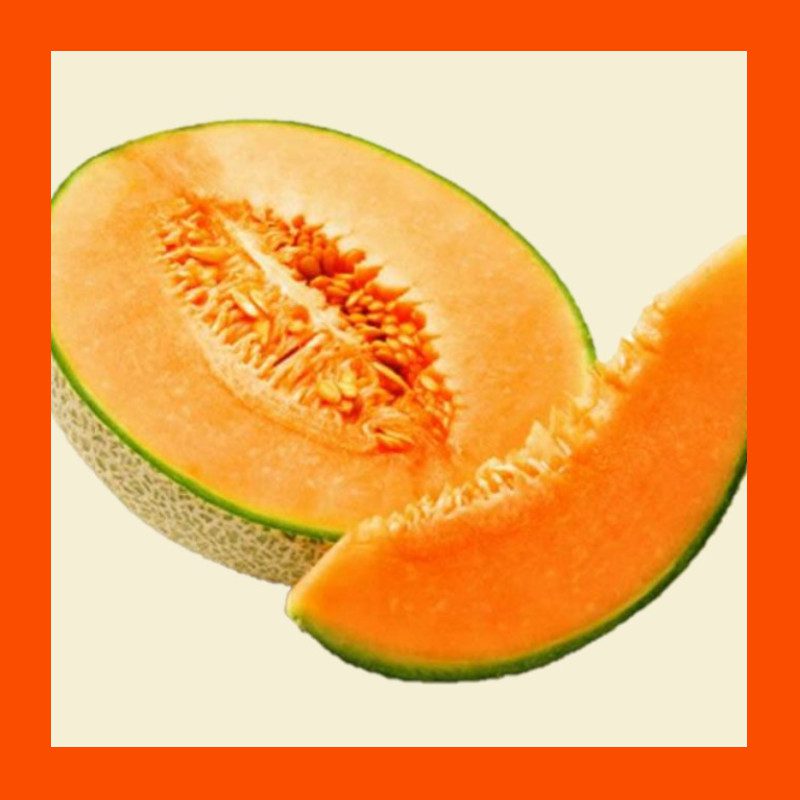
FRUIT-HALES BEST JUMBO-R'MELON
$3.50
Shipping and taxes calculated at checkout
Seeds per pack:
12
Cucumis melo
FRUIT-HALES BEST JUMBO-ROCKMELON as we know it is also known as cantaloupe and muskmelon. They are usually round with firm, scaly, greyish green buff rind skin. Some Rockmelon have grooves and sutures that orbit the Rockmelon and they all have lovely, moist, sweet orange flesh.
The fruit typically weighs between 4 and 8 pounds. Hales Best Jumbo Rockmelon is a versatile fruit that can be enjoyed on its own, or used in a variety of recipes, from salads and smoothies to desserts and cocktails.
Sow 12mm (1/2 inch) deep with 2-3 seeds in a group and later thin out. Sow either direct in harvesting position or in seed boxes or punnets and plant them out when strong enough.
SKU: FRHBJ-RM
- Fast Australia-wide dispatch
- Secure checkout
- 30-day money-back guarantee
How to Grow Hales Best Jumbo Rockmelon
- Full sun is required for Hales Best Jumbo Rockmelon with a minimum of 6 hours of direct sunlight per day.
- Well-drained soil as Rockmelon prefer fertile, well-drained soil with a pH between 6.0 and 7.0. Add compost or well-rotted manure to the soil before planting to improve fertility.
- Space your Rockmelon plants 3 to 4 feet apart, with 6 to 8 feet between rows.
- Irrigate your Rockmelon plants regularly with water, making sure the soil stays consistently moist but not waterlogged. Mulch around the base of the plants to help conserve moisture.
- Train your Rockmelon plants to climb a trellis or support, to keep the fruits off the ground and prevent rot.
- Pollination is simple with Rockmelon as they are self-pollinating. But it's best to hand-pollinate the flowers to ensure a good fruit set. Simply transfer pollen from the male flowers to the female flowers using a small artists paint brush.
- Fertilise with a balanced, slow-release fertiliser at planting time and again about 4 weeks later.
- Pests and Diseases should be keep in check. Keep an eye out for common pests like squash bugs and powdery mildew. If necessary, treat with an organic insecticide or fungicide.
Heritage of Hales Best Jumbo
The heritage of Hales Best Jumbo Rockmelon dates back to the 1920s. Where it was first developed by a farmer named Arthur Yates in California. A popular heirloom variety known for its large, sweet fruit with a deep orange flesh. It is a hybrid of two other melon varieties, Emerick and Banana. Despite its name, Hales Best Jumbo Rockmelon is actually a cantaloupe, not a Rockmelon. Known for its sweet, juicy flesh, which is high in vitamin C and other nutrients, it is a great Hydration fruit with a high water content to refresh you on a hot summers day. Hales Best Jumbo Rockmelon is easy to grow, making it a great choice for beginner gardeners who want to try their hand at growing their own fresh produce. Having grown one myself I can honestly say it is easy to grow but spreads so it needs space to grow.| Plant Height | 30 - 45cm (1⅛" - 1'6") |
|---|---|
| Season of Interest | Summer |
| Temperature Range | 24-35°C (75-95°F) |
| Annual / Perennial / Biennial | Annual |
| Frost Hardy / Tender | Tender |
| Sun Exposure | Full Sun |
| Sow Direct / Raise Seedlings | Sow Direct |
| Soil Type | Well-draining soil with good fertility |
| Soil pH | 6.0-7.0 |
| Soil Temperature | 18 - 30°C (64 - 86°F) |
| Seed Preparation | Scarify or soak seed overnight |
| Sowing Depth | 2mm (⅛") |
| Plant Spacing | 90 - 120cm (2'11" - 3'11") |
| Row Spacing | 180 - 240cm (5'11" - 7'10") |
| Watering | Regular Deep Watering |
| Germination Time (Days) | 7-10 days |
| Harvest Time (Days) | 80-100 |
| Good Companion Plants | Corn, Beans, Peas, Radishes, Nasturtiums |
| Bad Companion Plants | Potatoes, Tomatoes, Cucumbers, Squash |
| Pests | Aphids, Cucumber Beetles, Squash Bugs, Spider Mites |
| Diseases | powdery mildew, bacterial wilt, fusarium wilt, and anthracnose |
| Not shipped to Tasmania | true |
| Seeds per pack | 12 |
| Min temperature (C) | 24 |
| Max temperature (C) | 35 |

FRUIT-HALES BEST JUMBO-R'MELON
$3.50

More About Direct Compost Solutions
When I started this journey in 2009, I found nothing existed commercially, that was reasonably priced and easy to use. There was a homemade system which I also found was not that user-friendly.
Then a friend of mine told me about a homemade method she used. However, when I tried her method, I found this also didn't suit my needs, as it too had flaws that I considered where important. It did not keep vermin out, did not have a lockable lid and (to me) looked unsightly in the garden.
