

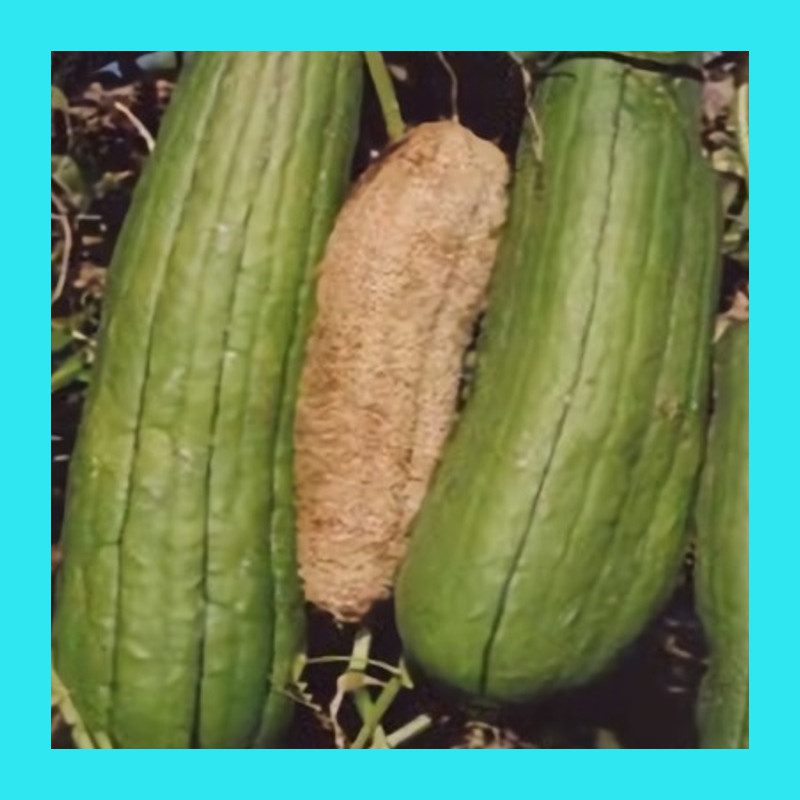
GOURD-LUFFA
$3.50
Shipping and taxes calculated at checkout
Seeds per pack:
9
Luffa cylindrica
GOURD-LUFFA is a vigorous annual vine. Young fruits are used as a squash substitute, mature fruits are dried and used as a bathroom sponge. Sow in spring. Sap in the Luffa vines and leaves contains a bitter compound with a musky smell that seems to repel insects and animals. When fully matured, you peel off the dried & crisp outer shell to expose the fibrous sponge. To clean your Luffa, you wash it in clean water & then soak it in a solution of bleach & water & allow to dry in the sun.
Soak seed in warm water for 2 hours before sowing. Germinate singly in pots, at 20-30°C (68-86F) on the surface of a good free draining, damp seed compost. Apply a sprinkling of compost or vermiculite, 6mm (¼in) thick. Seal container inside a polythene bag until after germination. Do not exclude light at any stage as this is beneficial to germination.
SKU: GDL
- Fast Australia-wide dispatch
- Secure checkout
- 30-day money-back guarantee
How to Grow Gourd Luffa
- Luffa Gourd prefers full sun and well-drained soil that is rich in organic matter. The soil pH should be between 6.0 and 7.5.
- Plant the seeds directly into the garden after the last frost. Plant the seeds at a depth of 2.5cm (1 inch) and space them 60cm (24 inches) apart. Keep the soil consistently moist until the seeds germinate, which typically takes 7-14 days. Or follow the directions above to propagate in a container or polyethene bag.
- Support the plants as Luffa Gourds grow as a vine and will need support as it grows. You can use a trellis or other support system to keep the plants off the ground.
- Water the plants as required to maintain consistently moist soil. Water the plants deeply once or twice a week, depending on the weather. Avoid over watering the plants, as this can lead to root rot.
- Fertilise the plants as Luffa Gourd benefits from regular fertilisation. Use a balanced fertiliser every four to six weeks to promote healthy growth.
- Harvest the fruit when it is young and tender, typically when it is 15-20cm (6-8 inches) long. If you wait too long to harvest, the fruit will become tough and inedible.
- Dry the fruit after harvesting. Allow the fruit to dry completely on the vine before removing and peeling off the brown dry skin to revel the fibrous interior. Many people use the fibrous interior as a natural scrubber or sponge.
Heritage of Luffa Gourds
Luffa is believed to have originated in Southeast Asia, specifically in the region encompassing India, China, and Vietnam. Trade and exploration spread it to other parts of Asia, Africa, and the Americas. People have cultivated luffa for thousands of years due to its versatility. It finds applications both in culinary and non-culinary contexts. Some cultures consume young and tender luffa fruits in various dishes, while others primarily utilize mature fruits for their fibrous structure. Traditionally, the fibrous interior of mature luffa fruits serves as a natural scrubbing sponge or loofah. These sponges have widespread use in exfoliating the skin, cleaning household items, and even providing natural padding for traditional footwear. Luffa's heritage intertwines deeply with traditional agriculture and local customs in many regions. Different luffa varieties and cultivars have emerged and adapted to suit specific climates, preferences, and growing conditions. This has resulted in various luffa types, including smooth-skinned and ridged-skinned varieties, each possessing distinct characteristics and applications. Overall, luffa has a rich heritage that spans across continents and cultures, with a long history of practical applications and cultural significance.| Plant Height | 300 - 600 cm (10 - 20 feet) |
|---|---|
| Season of Interest | Summer |
| Temperature Range | 20 - 35°C (68 - 95°F) |
| Annual / Perennial / Biennial | Annual |
| Frost Hardy / Tender | Tender |
| Sun Exposure | Full Sun |
| Sow Direct / Raise Seedlings | Sow Direct |
| Soil Type | Well-draining fertile soil |
| Soil pH | 6.0 - 7.0 |
| Soil Temperature | 25 - 30°C (77 - 86°F) |
| Seed Preparation | Soak seeds in warm water for 24 hours before sowing |
| Sowing Depth | 2.0 - 3.0mm (⅛") |
| Plant Spacing | 150 - 200cm (4'11" - 6'7") |
| Row Spacing | 150 - 200cm (4'11" - 6'7") |
| Watering | Regular watering to keep the soil moist but not waterlogged |
| Germination Time (Days) | 7 - 14 days |
| Harvest Time (Days) | 60 - 90 days |
| Good Companion Plants | Sweet Potato, Beans, Corn, Peas, Radish, Cucumber, Melons, Squash |
| Bad Companion Plants | Nightshade plants (tomatoes, peppers, eggplants), Potatoes |
| Pests | Aphids, Whiteflies, Spider Mites, Fruit Flies, Cucumber Beetles, Thrip, Fruit Borers, Leafhopper |
| Diseases | Powdery mildew, Downy mildew, Anthracnose, Fusarium wilt, Bacterial wilt, Viral Diseases |
| Not shipped to Tasmania | true |
| Seeds per pack | 9 |
| Min temperature (C) | 20 |
| Max temperature (C) | 35 |

GOURD-LUFFA
$3.50

More About Direct Compost Solutions
When I started this journey in 2009, I found nothing existed commercially, that was reasonably priced and easy to use. There was a homemade system which I also found was not that user-friendly.
Then a friend of mine told me about a homemade method she used. However, when I tried her method, I found this also didn't suit my needs, as it too had flaws that I considered where important. It did not keep vermin out, did not have a lockable lid and (to me) looked unsightly in the garden.
