

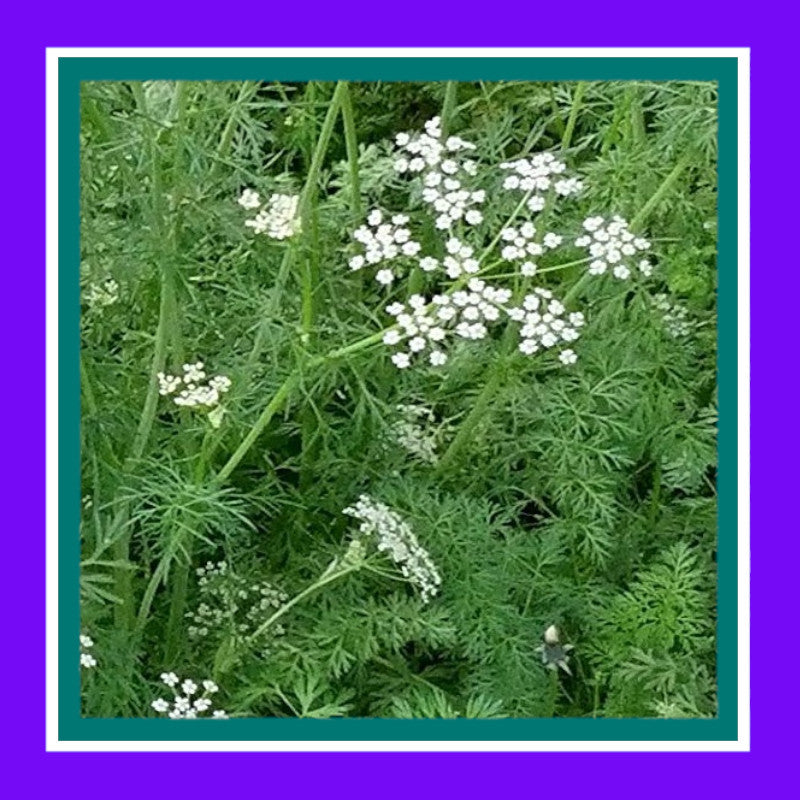
HERB-CUMIN (SALE)
$3.50
Shipping and taxes calculated at checkout
Seeds per pack:
720
Cuminum Cyminum
HERB-CUMIN (SALE) is a quick-growing, annual Mediterranean herb, with finely divided leaves & clusters of small white or pink flowers. Cumin leaf has an unusual flavour but is rarely used in day-to-day cooking. The seeds have a warm flavour, rather similar to caraway & a strong, pungent aroma which added to dishes whole lends them a smoky note. They add a nutty & peppery flavour to chili & other Mexican dishes as well playing an important role in Indian & Middle Eastern cuisine. It is easy to grow fresh seed, which is far superior to old dried seed & it’s commonly used in soups, sauces, pickles & breads. It helps your digestive system & attracts bees & butterflies. An erect slender annual plant, growing up to 30 - 50 cm high with a long slender taproot.
Start seeds inside 6 to 8 weeks before average last frost. Start outside 1 to 2 weeks after average last frost and when the temperatures are warmer. Plant a group of 4 seeds at a depth of 12 mm every 10 to 20 cm. When seedlings are 5 cm tall, thin to 1 plant every 10 to 20 cm. Grows to heights between 15-60 cm.
SKU: HC-1
- Fast Australia-wide dispatch
- Secure checkout
- 30-day money-back guarantee
How to grow Cumin seeds
- Chmin thrives in hot climates. It requires a long, warm growing season with at least 3-4 months of warm, frost-free weather. So choose a location in full sun with well draining water. Ensure the soil is free from stones and clumps, which can impede seedling growth.
- Start indoors in cooler climates, 4-6 weeks before the last frost date. Use biodegradable pots to avoid transplant shock. Transplant the seedlings outdoors once the soil has warmed up and all danger of frost has passed.
- Sow direct after the last frost in rows 1/4 to 1/2 inch deep and about 3 inches apart, in rows about 12 inches apart.
- spaced 30-40 cm apart when the soil temperature is consistently above 20°C (68°F), and cover them lightly with soil.
- Water cumin plants moderately. Overwatering can lead to root rot and other fungal diseases. Allow the soil to dry out between watering. Drip irrigation is an efficient method to provide consistent moisture without waterlogging the soil.
- Thin out seedlings 10-15 cm apart (in rows about 12 inches apart, to reduce airflow and competition for nutrients), once they emerge with a few true leaves.
- Apply a thin layer of organic mulch around the plants to retain soil moisture, suppress weeds, and maintain a stable soil temperature.
- Water the seeds well after planting and keep the soil consistently moist until the seeds germinate, which takes 7 to 14 days.
- Fertilise the plants every 2 to 4 weeks with a balanced, all-purpose fertiliser.
- Harvest the cumin seeds when the plant's stems start to turn yellow and the seeds have started to dry on the plant. Cut the stems and hang them to dry completely, then remove the seeds and store them in an airtight container.
Heritage of Cumin Seeds
Cumin (Cuminum cyminum) is believed to have originated in the Mediterranean region, particularly in Egypt and the Middle East. Archaeological evidence suggests that cumin was used in the ancient civilizations of the Nile Valley as early as the second millennium BCE. It has many significant uses through the ages during ancient Greek and Romans times, Biblical References, Medieval Europe, Islamic Golden Age, Indian Cuisine and Latin American Cuisine. Today, cumin is a global spice used in various culinary traditions worldwide. It is a key ingredient in Middle Eastern, North African, South Asian, and Latin American cuisines. Beyond its culinary applications, cumin is still valued for its medicinal properties. It is believed to aid digestion, boost the immune system, and have anti-inflammatory effects. India is the largest producer and consumer of cumin, followed by countries like Iran, Syria, Turkey, and China. The spice is cultivated in warm climates with a long growing season. It's journey from ancient times to modern kitchens is a testament to its enduring appeal and versatility as both a spice and a medicinal herb. Its historical significance and cultural heritage continue to influence its use and appreciation around the world.| Plant Height | 30 - 45 cm (12 - 18 inches) |
|---|---|
| Season of Interest | Summer |
| Temperature Range | 15 - 30°C (59 - 86°F) |
| Annual / Perennial / Biennial | Annual |
| Frost Hardy / Tender | Frost Tender |
| Sun Exposure | Full Sun |
| Sow Direct / Raise Seedlings | Raise seedlings |
| Soil Type | Well-drained, sandy loam soil |
| Soil pH | 6.0 - 7.5 |
| Soil Temperature | 15 - 20 °C (59 - 86 °F) |
| Seed Preparation | Soak seeds in water for 8 hours before sowing |
| Sowing Depth | 0.5 cm (0.2 inches) |
| Plant Spacing | 10-15 cm (4-6 inches) |
| Row Spacing | 30-40 cm (12-16 inches) |
| Watering | Moderate, ensure soil is moist but not waterlogged |
| Germination Time (Days) | 7-14 days |
| Harvest Time (Days) | 100 - 120 days |
| Good Companion Plants | Beans, Coriander (Cilantro), Dill, Carrots, Parsley, Peas |
| Bad Companion Plants | Fennel |
| Pests | Aphids, Cumin Seed Bug (Nysius sp.), Thrips, Cutworms |
| Diseases | Fusarium Wilt, Powdery Mildew, Blight, Alternaria Blight Alternaria burnsii) |
| Not shipped to Tasmania | true |
| Seeds per pack | 720 |
| Min temperature (C) | 15 |
| Max temperature (C) | 30 |

HERB-CUMIN (SALE)
$3.50

More About Direct Compost Solutions
When I started this journey in 2009, I found nothing existed commercially, that was reasonably priced and easy to use. There was a homemade system which I also found was not that user-friendly.
Then a friend of mine told me about a homemade method she used. However, when I tried her method, I found this also didn't suit my needs, as it too had flaws that I considered where important. It did not keep vermin out, did not have a lockable lid and (to me) looked unsightly in the garden.
