

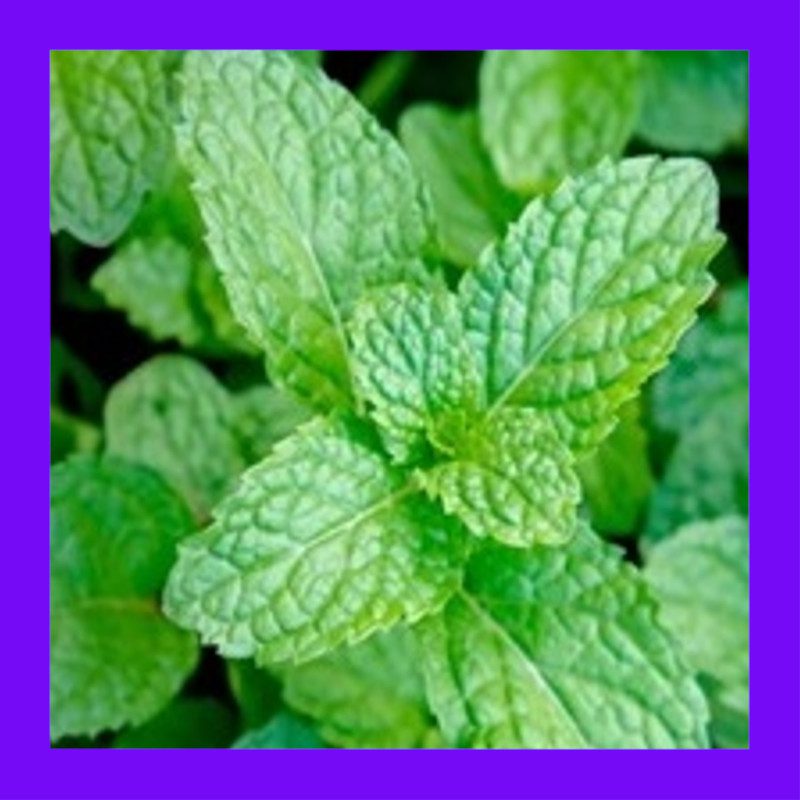
HERB-MINT-PEPPERMINT
$3.50
Shipping and taxes calculated at checkout
Seeds per pack:
500
Mentha piperita
HERB-MINT-PEPPERMINT is a herbaceous perennial that can grow to 50cm height. The leaves have a sharp, spicy taste that is hot at first but at the same time cooling. Peppermint can be eaten raw or cooked, and is commonly used in drinks, desserts, herbal teas, salads, sauces and as a garnish. It can also be grown in containers.
And it is used widely in medicine. An infusion of the leaves helps relieve indigestion and flatulence, relaxes muscles in the digestive tract and stimulates bile flow. Reduces nausea. Improves concentration and helps kill bacteria, parasites and viruses in the stomach. It can also bring relief to headaches. Promotes sweating in fever and flu, clears nasal congestion.
Plant peppermint near outdoor seating areas to naturally repel mosquitoes. Crush a few leaves and rub them on your skin for added protection. Peppermint thrives in a hydroponic system or grow in hanging baskets to save space and create a visually interesting display. Hanging baskets also control the spread of the peppermint but remember to keep the water up to the plant as handing baskets can dry out quickly.
Planting peppermint near strawberries can enhance the flavour of the berries. The aromatic peppermint may influence the taste of the strawberries in a delightful way.
SKU: HMT-P
- Fast Australia-wide dispatch
- Secure checkout
- 30-day money-back guarantee
How to grow Spearmint Herb
- Spearmint prefers well-drained soil in a sunny or partially shaded area. As it spreads readily it is best to plant it in a container or a contained area in the garden where you can check the rhizome root system for easy pruning. Container planting also allows you to move your mint in and out of the sun or shade for best the growing environment.
- Prepare a mix of compost or well-rotted manure with the garden soil to improve fertility.
- Plant spearmint seeds or cuttings about 2-3 inches deep, about 6-12 inches apart. If planting cuttings, make sure to plant the bottom of the cutting into the soil and the leaves above the soil.
- Water the spearmint regularly to keep the soil consistently moist but not waterlogged.
- Apply a layer of mulch 2-3 inches around the plants to conserve moisture and suppress weeds.
- Thin out when large enough to handle, so that they are finally 30cm apart.
- Provide additional water if necessary until the plants reach 30cm.
- Prune the tips of the mint regularly to encourage bushier growth.
- Harvest the leaves when they reach 6 inches in height. Pick leaves just before the plant blooms to get the best flavour.
- Spearmint is easy to propagate from cuttings. Snip a healthy stem, remove the lower leaves, and place it in water or soil for new roots to develop.
Heritage of Spearmint Herb
Spearmint (Mentha spicata) has a rich heritage dating back to ancient times. Believed to be native to the Mediterranean region, spearmint has been valued for its culinary, medicinal, and aromatic properties. It was used by ancient Greeks to scent bathwater, and the Romans brought it to Britain where it continued to be cultivated for various purposes. Spearmint has been traditionally used to make teas, flavour food and beverages, and for its aromatic qualities in potpourris and sachets. Its name is derived from the pointed shape of its leaves. Over the centuries, spearmint has become a popular herb worldwide, cherished for its refreshing flavour and scent. Today, spearmint is widely cultivated in gardens and is a common ingredient in culinary dishes, beverages, and natural remedies. It holds cultural significance and remains a versatile herb with a heritage deeply rooted in human history.| Plant Height | 30 - 60 cm (1 - 2 feet) |
|---|---|
| Season of Interest | Summer to early Autumn |
| Temperature Range | 10 - 24°C (50 - 75°F) |
| Annual / Perennial / Biennial | Perennial |
| Frost Hardy / Tender | Frost Hardy |
| Sun Exposure | Part Shade |
| Sow Direct / Raise Seedlings | Raise seedlings |
| Soil Type | Moist, well-drained soil |
| Soil pH | 6.0 - 7.5 |
| Soil Temperature | 12 - 22 °C (55 - 72 °F) |
| Seed Preparation | No specific preparation needed |
| Sowing Depth | 0.5 cm (0.2 inch) |
| Plant Spacing | 30 - 45 cm (12 - 18 inches) |
| Row Spacing | 60 cm (24 inches) |
| Watering | keep the soil consistently moist |
| Germination Time (Days) | 7 - 14 days |
| Harvest Time (Days) | 60 - 70 days |
| Good Companion Plants | Cabbage and Broccoli, Tomatoes, Cucumbers, Brassicas (Cauliflower, Kale), Lavender, Strawberries |
| Bad Companion Plants | Parsley, Chamomile |
| Pests | Aphids, Spider Mites, Whiteflies |
| Diseases | Powdery Mildew,Root Rot ,Rust |
| Not shipped to Tasmania | true |
| Seeds per pack | 500 |
| Min temperature (C) | 10 |
| Max temperature (C) | 24 |

HERB-MINT-PEPPERMINT
$3.50

More About Direct Compost Solutions
When I started this journey in 2009, I found nothing existed commercially, that was reasonably priced and easy to use. There was a homemade system which I also found was not that user-friendly.
Then a friend of mine told me about a homemade method she used. However, when I tried her method, I found this also didn't suit my needs, as it too had flaws that I considered where important. It did not keep vermin out, did not have a lockable lid and (to me) looked unsightly in the garden.
