

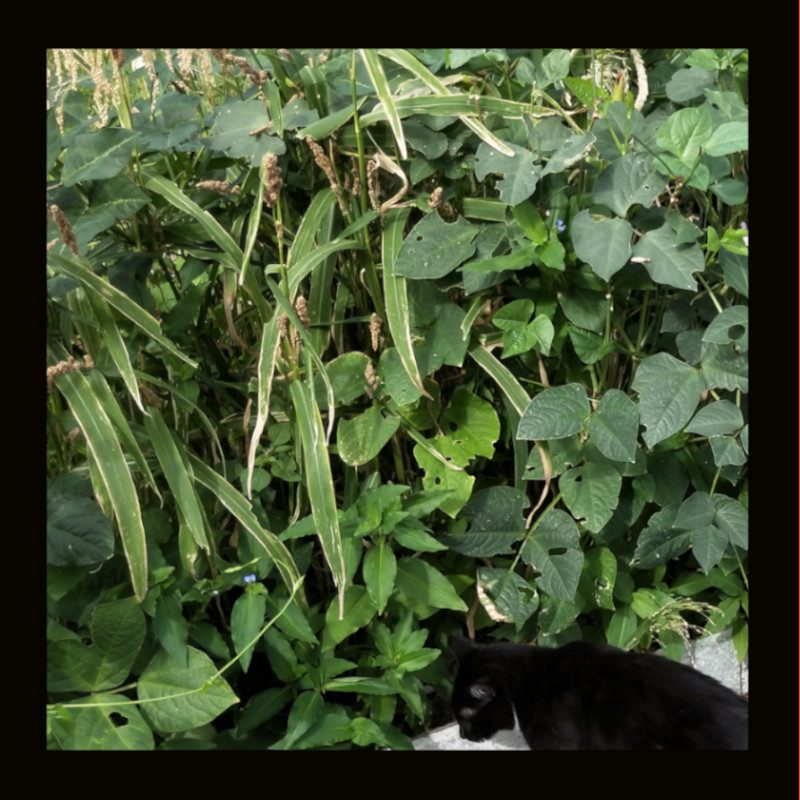
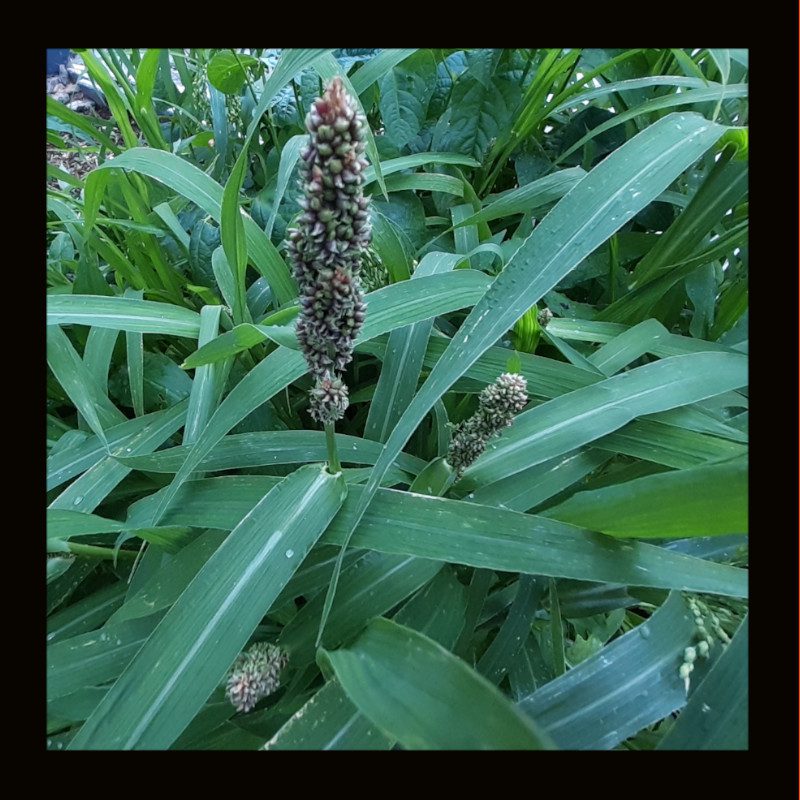
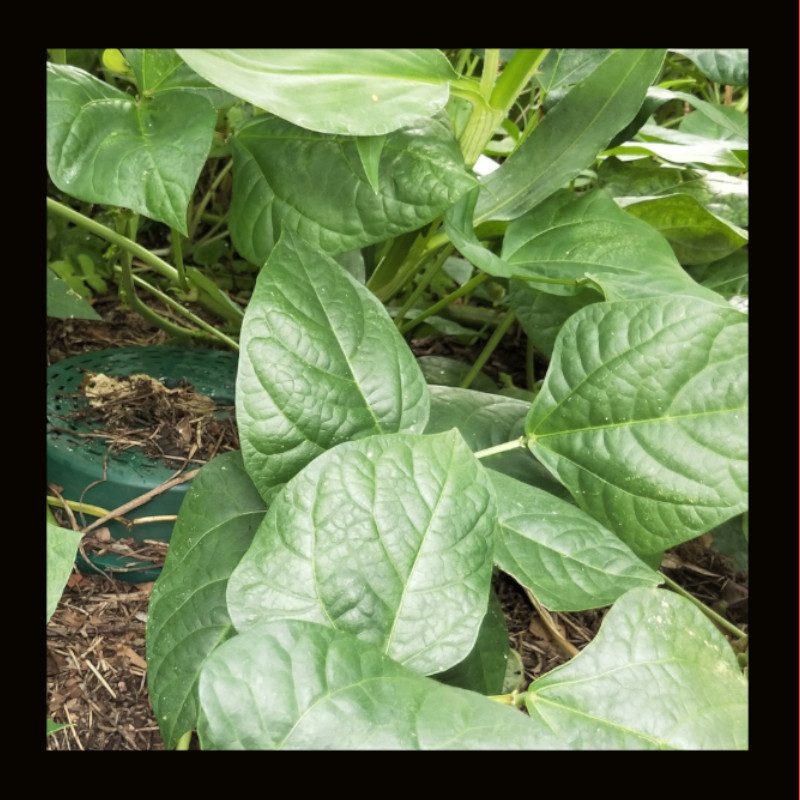
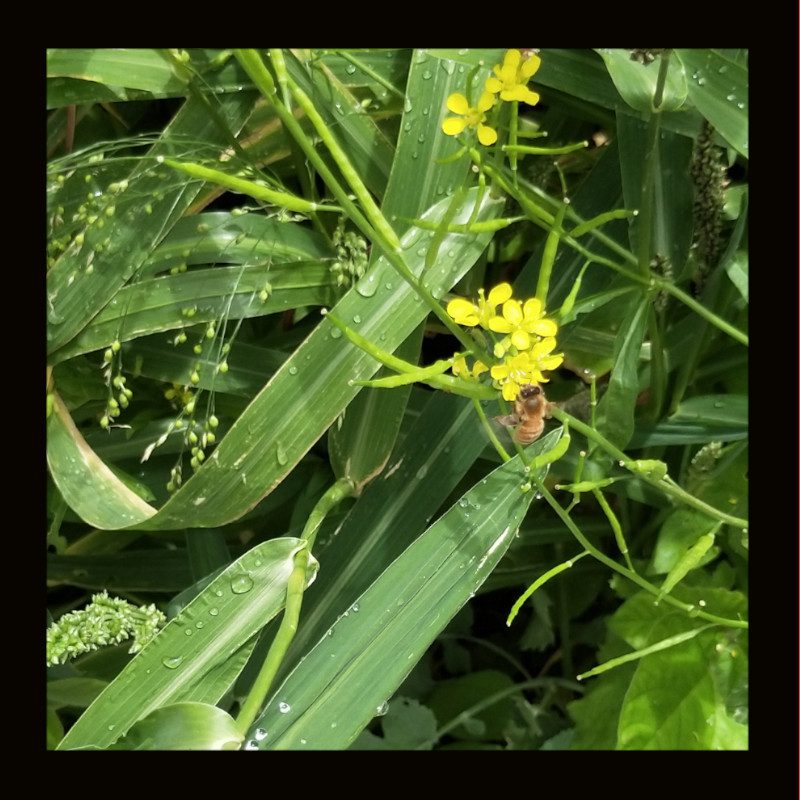
OTHER-GREEN MANURE -SPRING MIX (40G)
$4.00
Shipping and taxes calculated at checkout
Seeds per pack:
40g+
Spring-Summer Mix
OTHER-GREEN MANURE -Spring/Summer Mix (40G) is a mix of nitrogen fixing seeds and grains to spread around your garden when doing a rotation plant and letting one bed rest. Ideally turn the crop into the soil before it gets too big or flowers and seeds. Though you can let it go to seed to save seeds for next season.
All you do is spread it on top of your soil, water in well and let it do its thing. Some seeds may not sprout but it doesn't matter as the others will take over.
The quantity in this packet is enough to spread over 1 square meter. I find if you do more than this for one square meter it is too dense and some of the crops will crowd out some of the other seeds and take over the whole patch. So I prefer to spread it thinly to give them all a chance to grow.
The packet may contain any number of any one of these seeds:- Alfalfa, Barley, Beet, Broad Bean, Corn, Cow Pea, Millet White, Millet Jap, Mustard, Rye, Soy Bean, Vetch, Coriander, Fenugreek.
There are a couple of seeds in the range you can buy separately if you just want a particular crop to grow. They are
Cow Peas, Japanese millet, White Proso millet, Mustard, Crimson Clover, Lupin Legume and there will be others as I add to the range over time. I like to pick and choose what I grow as I am alergic to Buckwheat (a common green manuer seed)
SKU: O-GMML
- Fast Australia-wide dispatch
- Secure checkout
- 30-day money-back guarantee
How to grow Green Manure Spring/Summer Mix
Green manure is a type of cover crop grown specifically to till back into the soil thus adding organic matter and nutrients. Spring mix green manure is one such blend of different annual plants to sown in spring then turn into the soil in late summer or early fall. The specific blend of plants in a spring mix green manure can vary, but typically includes a combination of legumes (such as clover, peas, and beans) and non-legumes (such as mustards, oats, and rye). Legumes are particularly valuable in green manure blends because they can fix nitrogen from the air and add it to the soil. To use spring mix green manure, you can simply sow the seeds in the spring in an area where you don't plan to grow anything else for the season. Once the plants are established and have grown for several months, you can till them into the soil in the late summer or early fall. This will add organic matter and nutrients to the soil, improve soil structure, and suppress weeds. It's important to note that you should not till the green manure into the soil when it is in bloom or going to seed, because it will not be as effective in adding organic matter and nutrients to the soil. Also, it is important to choose the appropriate time to turn in the green manure, depending on the specific crop you will be planting next. Green manures are a great way to improve soil health, suppress weeds and pests, and add nutrients to the soil. They are a sustainable and environmentally friendly way to fertilise your garden.Planting Companion Plants with Green Manure
While it's not necessary to plant companion plants alongside a green manure crop, there are some plants that can complement its growth and help attract beneficial insects to the garden. Plant these companion alongside green manure - spring mix:- Legumes such as beans and peas: These plants can fix nitrogen in the soil, which can benefit the growth of the green manure crop.
- Sunflowers can help attract bees and other pollinators to the garden, which can benefit the green manure crop as well as other nearby plants.
- Nasturtiums can help repel aphids and other pests that may damage the green manure crop.
- Marigolds can also help repel pests and attract beneficial insects to the garden.
- Herbs such as dill, fennel, and cilantro: These herbs can attract beneficial insects such as ladybugs and lacewings to the garden, which can help control pests and improve pollination.
- Brassicas such as broccoli and kale: Brassicas can help suppress weeds and improve soil health, which can benefit the green manure crop.
Bad Companion Plants to avoid with Green Manure Mix
Bad Companion Plants to avoid with Green Manure Mix is only necessary as they may compete for nutrients or attract pests that could damage the green manure crop. Here are a few plants to avoid planting alongside green manure -spring mix:- Nightshades such as tomatoes, peppers, and eggplants may attract pests such as aphids and flea beetles, which could also attack the green manure crop.
- Brassicas such as cabbage and cauliflower can be good companion plants in some cases,. However they may also compete for nutrients with the green manure crop.
- Corn is a heavy feeder that may compete with the green manure crop for nutrients. You will find corn in limited amounts in a green manure spring mix.
- Grasses may be difficult to distinguish from the green manure crop. This could make it harder to manage and harvest the crop effectively.
- Ideally you should not plant multiple cover crops in the same area. They may compete for resources and interfere with each other's growth.
Diseases Affecting Green Manure -Spring/Summer Mix
Diseases Affecting Green manure -Spring Mix is not a big issue. Generally Green Manure is a hardy crop resistant to many diseases, but there are some diseases that can affect its growth. Here are a few common diseases that may affect green manure -spring mix:- Root Rot is a fungal disease that can affect the roots of green manure plants, causing them to decay and die. Overwatering or poorly drained soil are usually the cause of Root Rot.
- Downy Mildew is a fungal disease causing yellowing, wilting, and stunted growth in green manure plants. High humidity and wet conditions are usually the cause of this disease
- Powdery Mildew is a fungal disease can cause a white, powdery coating to form on the leaves of green manure plants. Dry conditions and poor air circulation generally cause Powdery Mildew.
- Bacterial Blight is a bacterial disease causing wilting, yellowing, and blackening of the leaves and stems of green manure plants.
| Plant Height | 30 - 60 depending on the mix |
|---|---|
| Season of Interest | Spring / Summer |
| Temperature Range | 15 - 27°C (59 - 81°F) |
| Annual / Perennial / Biennial | Annual |
| Frost Hardy / Tender | Tender |
| Sun Exposure | Full Sun / Partial Shade |
| Sow Direct / Raise Seedlings | Sow Direct |
| Soil Type | Well-drained soil, high in organic matter |
| Soil pH | 6 - 7.5 |
| Soil Temperature | 10 - 27°C (50 - 81°F) |
| Seed Preparation | No special preparation required |
| Sowing Depth | 1 - 2 if plants in an organised manner |
| Plant Spacing | 15 - 30cm (⅝" - 1⅛") |
| Row Spacing | 30 - 60cm (1⅛" - 1'12") |
| Watering | Regular to keep soil moist, not waterlogged |
| Germination Time (Days) | 5 - 10 |
| Harvest Time (Days) | 60-120 |
| Good Companion Plants | Legumes such as beans and peas, Sunflowers, Nasturtiums, Marigolds, Herbs such as dill, fennel, and cilantro, Brassicas such as broccoli and kale |
| Bad Companion Plants | Nightshades such as tomatoes, peppers, and eggplants, Brassicas such as cabbage and cauliflower, Corn, Grasses, Other cover crops |
| Diseases | Root rot, Downy mildew, Powdery mildew, Bacterial blight |
| Seeds per pack | 40g+ |
| Min temperature (C) | 15 |
| Max temperature (C) | 27 |

OTHER-GREEN MANURE -SPRING MIX (40G)
$4.00

More About Direct Compost Solutions
When I started this journey in 2009, I found nothing existed commercially, that was reasonably priced and easy to use. There was a homemade system which I also found was not that user-friendly.
Then a friend of mine told me about a homemade method she used. However, when I tried her method, I found this also didn't suit my needs, as it too had flaws that I considered where important. It did not keep vermin out, did not have a lockable lid and (to me) looked unsightly in the garden.
