

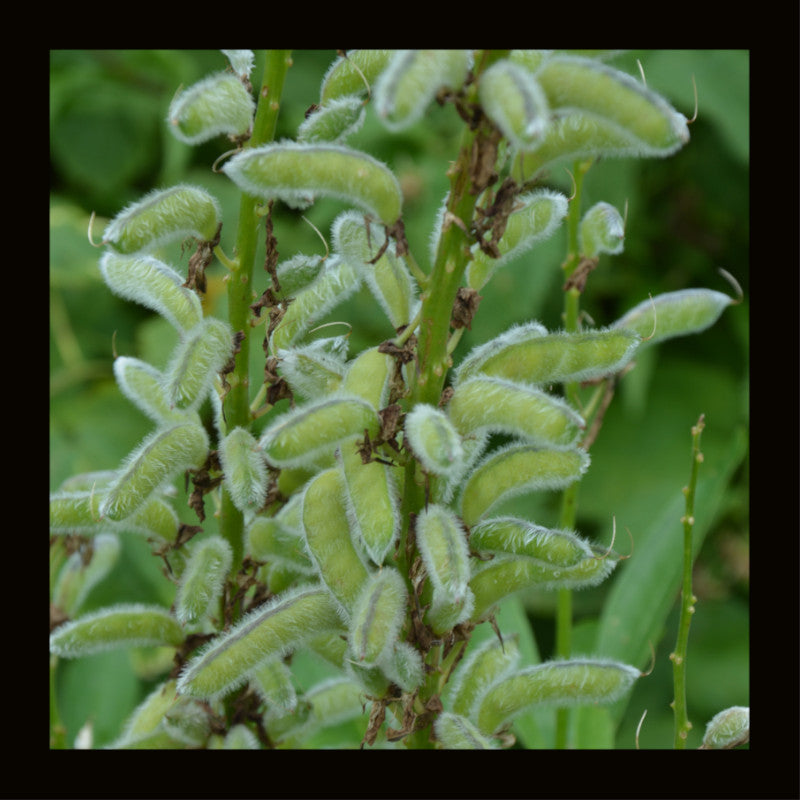
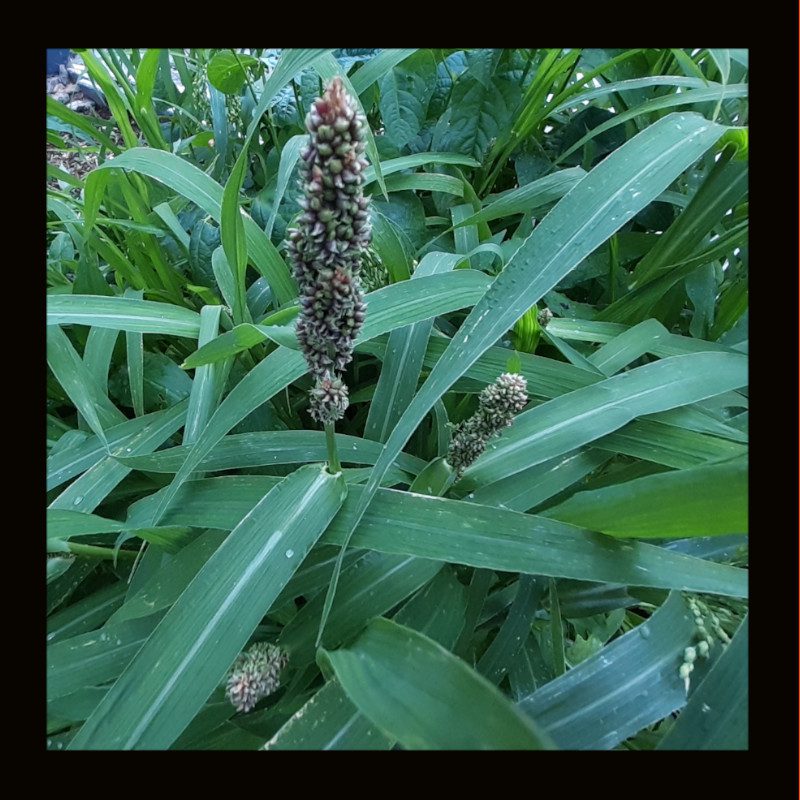
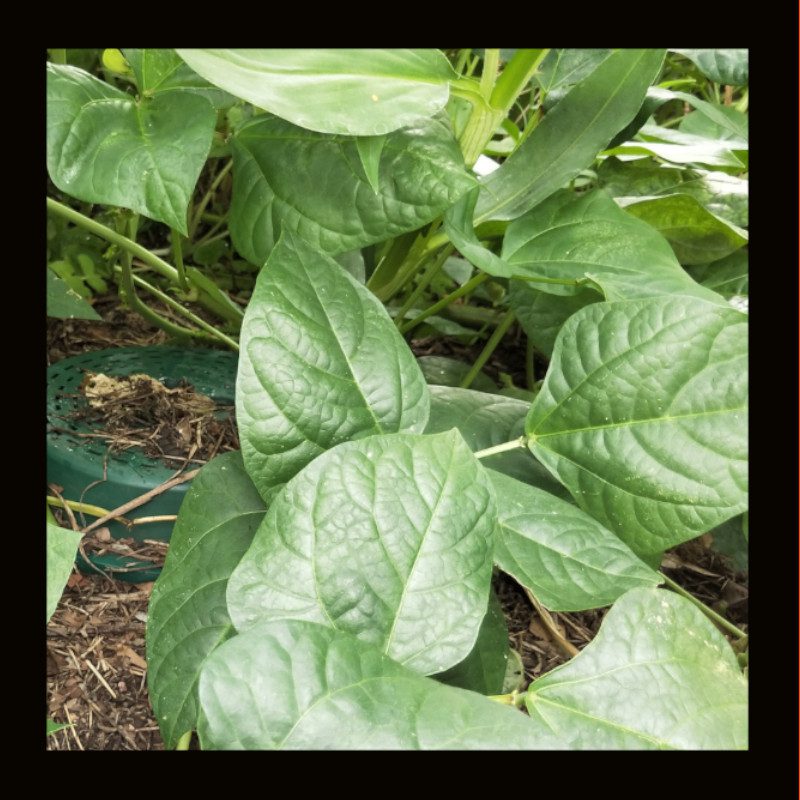
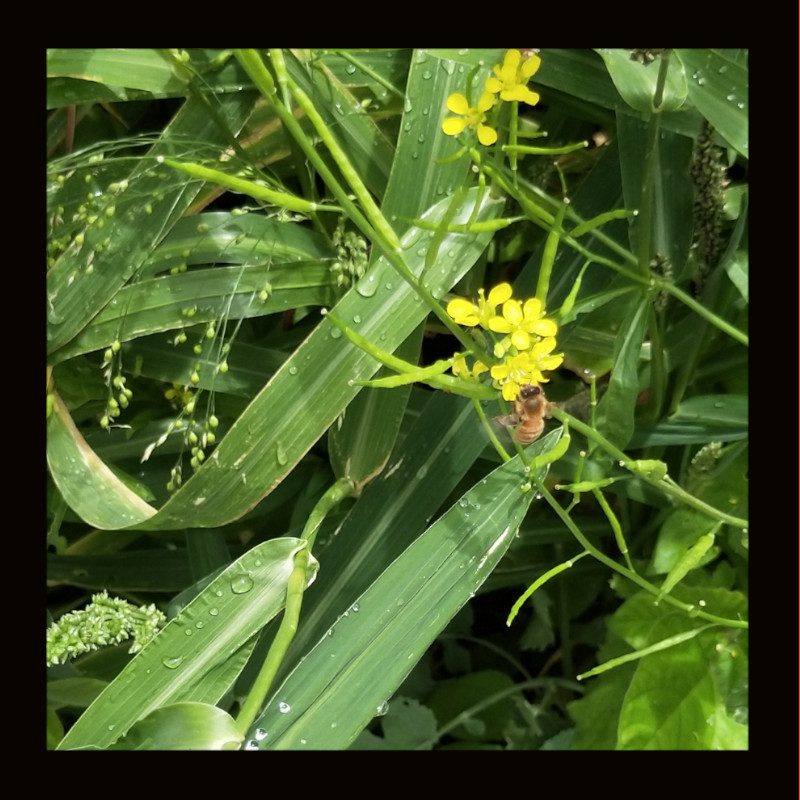
OTHER-LUPIN LEGUME (17G)
$3.50
Shipping and taxes calculated at checkout
Seeds per pack:
60
Lupinus albus
OTHER-LUPIN LEGUME, (approx 18g) also known simply as lupins, are a diverse group of flowering plants belonging to the genus Lupinus within the legume family, Fabaceae. These plants are valued for their nutritional benefits, soil-improving properties, and wide-ranging agricultural uses.
Lupins are renowned for their ability to fix atmospheric nitrogen in the soil through symbiotic relationships with nitrogen-fixing bacteria, enhancing soil fertility and reducing the need for synthetic fertilisers. Thus they are utilised as cover crops, green manure, and forage crops, contributing to sustainable agricultural practices and ecosystem health. Lupins can fix 130kgs of nitrogen per ha/year.
Also usefull for protecting young plants or orchards by planting between rows to protect the new plants from wind and temperature extremes.
Cultivated primarily for their seeds, they are rich in protein, fibre, and essential nutrients, making them an important food source for both humans and livestock.
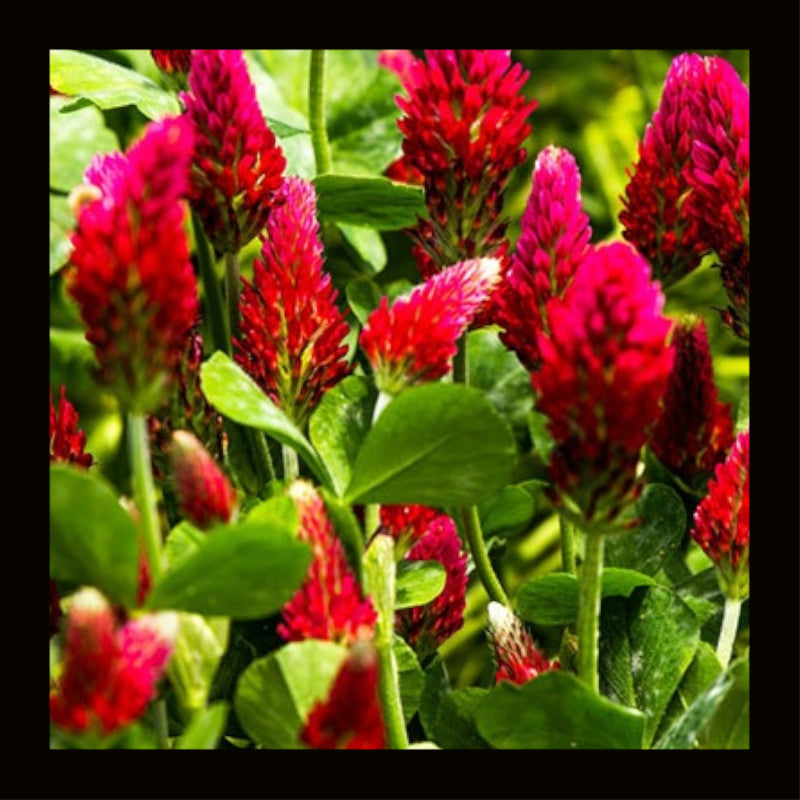
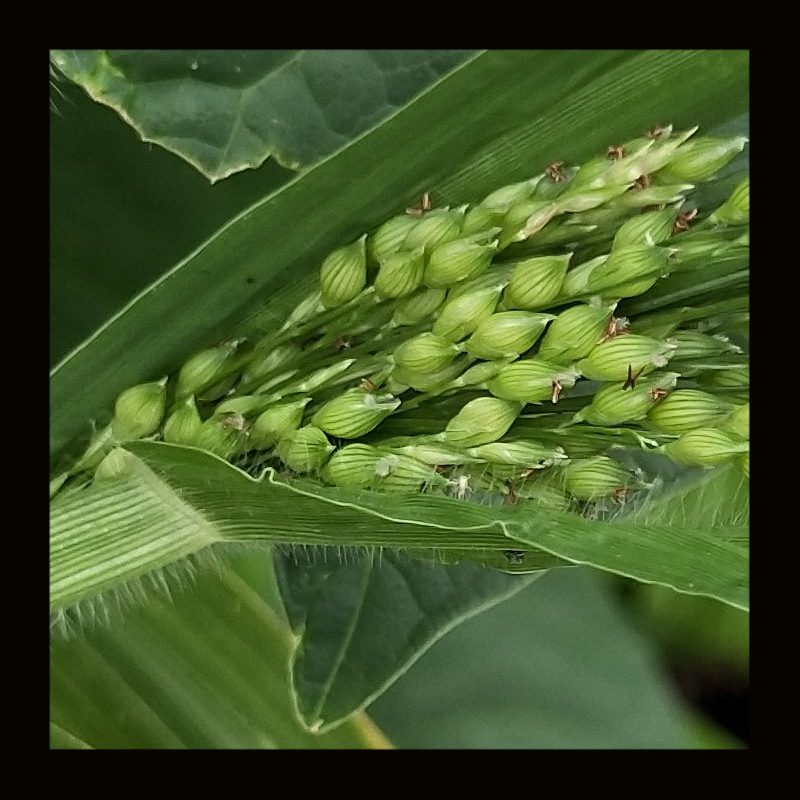
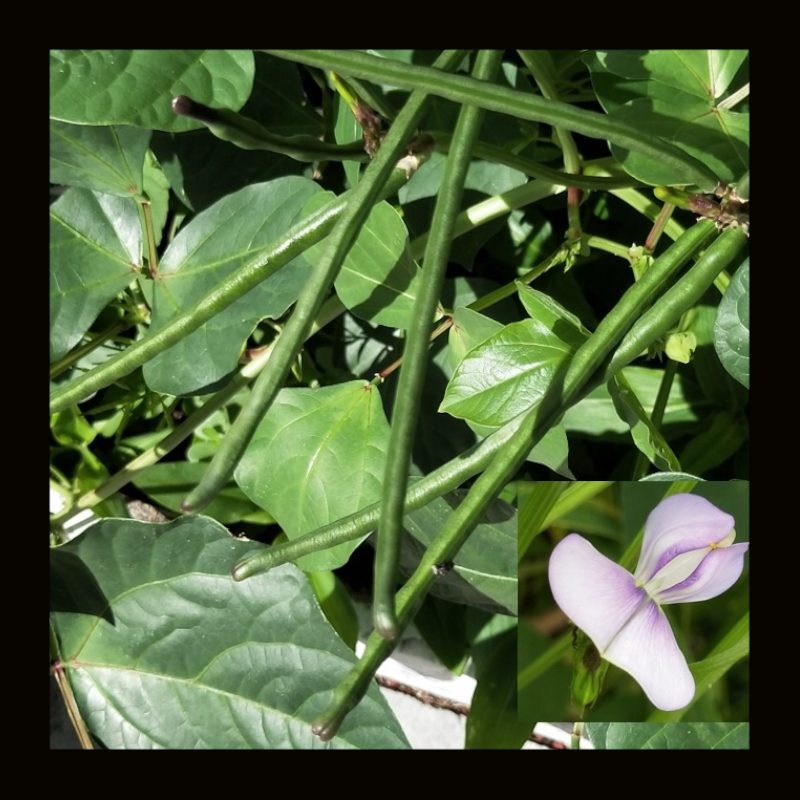
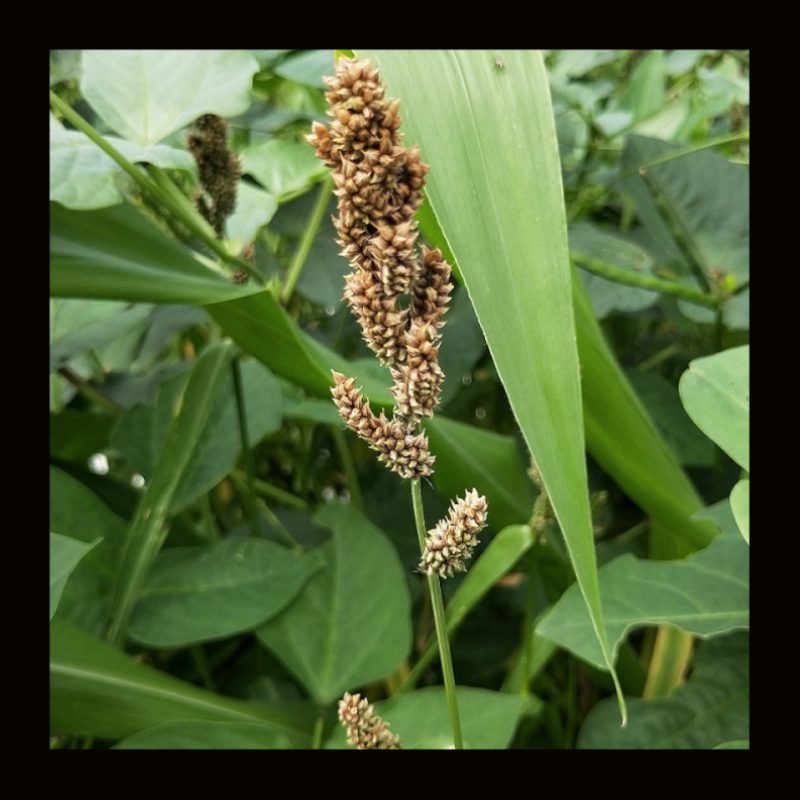
Some species are adapted to different climates and soil conditions and can be grown as an annual or perennial crop. Overall, lupin legumes play a significant role in global food production, biodiversity conservation, and agroecological systems. If you like to buy specific green manure crops this is one way to be selective about what you plant in your garden along with other green manuer crops we sell separately such as mustard, cow peas, white prosso, Japanese millet (similar to barn yard millet) and crimson clover. Or you can purchase the Green Manuer Spring Mix
SKU: O-LL
- Fast Australia-wide dispatch
- Secure checkout
- 30-day money-back guarantee
How to grow Lupin Legumes
- Choose a location with well-drained soil and full sunlight exposure for optimal growth.
-
Till the soil to a depth of 15-20 cm (6-8 inches) to loosen it and remove any weeds or debris.
- Incorporate organic matter such as compost to improve soil structure and fertility.
-
Broadcast a handfull of lupin seeds over the prepared soil in your garden to roughly 1 handfull per sq meter, and cover lightly with soil.
- If farming broadcast the soil surface at a rate of 30-50 kg per hectare (27-45 lbs per acre) for cover crops and green manure, and 75-100 kg per hectare (68-90 lbs per acre) for forage crops.
-
Lupins are nitrogen-fixing legumes, so they generally do not require additional nitrogen fertiliser.
- However, a balanced fertiliser such as 10-10-10 can be applied before planting to provide necessary nutrients.
-
Keep the soil consistently moist during the germination period, typically 7-10 days.
- Provide approximately 2.5 cm (1 inch) of water per week, especially during dry spells.
- Thin lupin seedlings to a spacing of 20-30 cm (8-12 inches) apart once they reach a height of 10-15 cm (4-6 inches) to promote healthy growth if they are growing too close together.
- Monitor the area regularly and remove any weeds that compete with lupins for nutrients and space.
-
Lupins thrive in temperatures between 15-25°C (59-77°F) for optimal growth.
- For cover crops and green manure, lupins can be incorporated into the soil when they reach full bloom, typically after 70-90 days.
- For forage crops, lupins can be harvested for hay or silage when they reach a height of 30-60 cm (12-24 inches), usually 90-120 days after planting.
- Rotate lupins with other crops in subsequent growing seasons to improve soil health and prevent disease buildup. Or plant with other green manuer crops for a mixed green manuer crop.
Additional tips for growing Lupin Legumes
- Companion Planting: Plant lupin alongside other legumes like clover or beans. This can enhance nitrogen fixation in the soil, as the plants synergize and improve soil fertility more effectively than when grown alone.
- Micronutrient Boost: Sprinkle a light dusting of wood ash over the planting area. Wood ash is rich in potassium, which supports lupin growth and helps in better nutrient uptake.
- Pre-soaking Seeds: Soak lupin seeds in warm water for 24 hours before planting. This can soften the seed coat, leading to faster and more uniform germination. However as I have mentioned when growing soy beans, soaking can rot the seed if then planted into wet soil. So plant into dry soil if you soak the seeds and moist soil if you don't soak the seeds. But experiment and see what works best.
- Use of Mycorrhizal Fungi: Inoculate lupin seeds with mycorrhizal fungi before planting. These beneficial fungi form symbiotic relationships with plant roots, enhancing nutrient and water absorption, and improving plant health and growth. I supply some innoculant with each seed packet. I don't sell large quantities of lupins or innoculant for farms but I can get it if pre-ordered.
- Cover Cropping Rotation: Rotate lupin with deep-rooted cover crops like radishes. Radishes break up compacted soil layers, and following them with lupins ensures better root penetration and nitrogen fixation. Daikon Radish are good for this purpose.
- Mulching with Straw: After planting, cover the soil with a thin layer of straw mulch. This helps retain moisture, regulates soil temperature, and suppresses weeds, creating a favourable environment for lupin growth.
- Early Mowing: If lupin plants grow too tall and begin to shade each other excessively, mow them back (if in an open area) to about 15-20 cm (6-8 inches). Or cut back if in a garden bed. This encourages bushier growth and prevents them from becoming too leggy.
- Intercropping with Non-Legumes: Grow lupin alongside non-legume crops like barley or oats. This combination can improve overall soil structure and nutrient availability, benefiting both types of plants.
- Pest Repellent Plants: Surround lupin fields with plants known to repel pests, such as marigolds or garlic. This can help reduce the likelihood of pest infestations without the need for chemical treatments.
- Biochar Amendment: Mix a small amount of biochar into the soil before planting lupin. Biochar enhances soil fertility by improving nutrient retention and providing a habitat for beneficial microorganisms. Or you can add our Old Forrest Carbon or for overall improved soil fertility.
Heritage of Lupin Legumes
Lupins have a long-standing heritage in agriculture, dating back centuries. Originating from the Mediterranean region, these versatile legumes have been cultivated for their valuable contributions to soil fertility, weed suppression, and livestock nutrition. As cover crops and green manure, lupins have played a crucial role in crop rotation systems, enriching the soil with nitrogen through their symbiotic relationship with nitrogen-fixing bacteria. Their deep taproots help break up compacted soils and improve drainage, while their dense foliage suppresses weeds, reducing the need for herbicides. Additionally, lupins serve as valuable forage crops, providing nutritious feed for livestock and enhancing pasture quality. Over the years, lupins have adapted to various climates and soil conditions, becoming integral to sustainable farming practices worldwide. Today, their heritage lives on as farmers continue to harness their agronomic and ecological benefits in modern agricultural systems.| Plant Height | 30-60 cm (12-24 inches) |
|---|---|
| Season of Interest | Spring to early Summer |
| Temperature Range | 15-25°C (59-77°F) |
| Annual / Perennial / Biennial | Annual |
| Frost Hardy / Tender | Tender |
| Sun Exposure | Full Sun |
| Sow Direct / Raise Seedlings | Sow Direct |
| Soil Type | Well-drained loamy soil |
| Soil pH | 6.0-7.1 |
| Soil Temperature | 10-25°C (50-77°F) |
| Seed Preparation | No special preparation required |
| Sowing Depth | 2-3 cm (0.8-1.2 inches) |
| Plant Spacing | 20-30 cm (8-12 inches) apart |
| Row Spacing | Variable depending on planting method and equipment |
| Watering | Keep soil consistently moist, approximately 2.5 cm (1 inch) of water per week |
| Germination Time (Days) | 7-10 days |
| Harvest Time (Days) | Cover crops & green manure when plants reach full bloom, typically after 70-90 days. Harvest for forage crops when plants reach a height of 30-60 cm (12-24 inches), usually 90-120 days after planting. |
| Good Companion Plants | Grasses such as ryegrass or oats, Legumes like clover or vetch, Brassicas such as mustard or turnips, Sunflowers, Buckwheat |
| Bad Companion Plants | Other legumes that may compete for nitrogen fixation, High-nitrogen-demanding plants like corn or , omatoes, Brassicas that may interfere with root development |
| Pests | Aphids, Cutworms, Wireworms, Slugs and snails, Thrips |
| Diseases | Anthracnose, Fusarium wilt, Powdery mildew, Root rot, Sclerotinia stem rot |
| Not shipped to Tasmania | true |
| Seeds per pack | 60 |
| Min temperature (C) | 15 |
| Max temperature (C) | 25 |

OTHER-LUPIN LEGUME (17G)
$3.50

More About Direct Compost Solutions
When I started this journey in 2009, I found nothing existed commercially, that was reasonably priced and easy to use. There was a homemade system which I also found was not that user-friendly.
Then a friend of mine told me about a homemade method she used. However, when I tried her method, I found this also didn't suit my needs, as it too had flaws that I considered where important. It did not keep vermin out, did not have a lockable lid and (to me) looked unsightly in the garden.
