

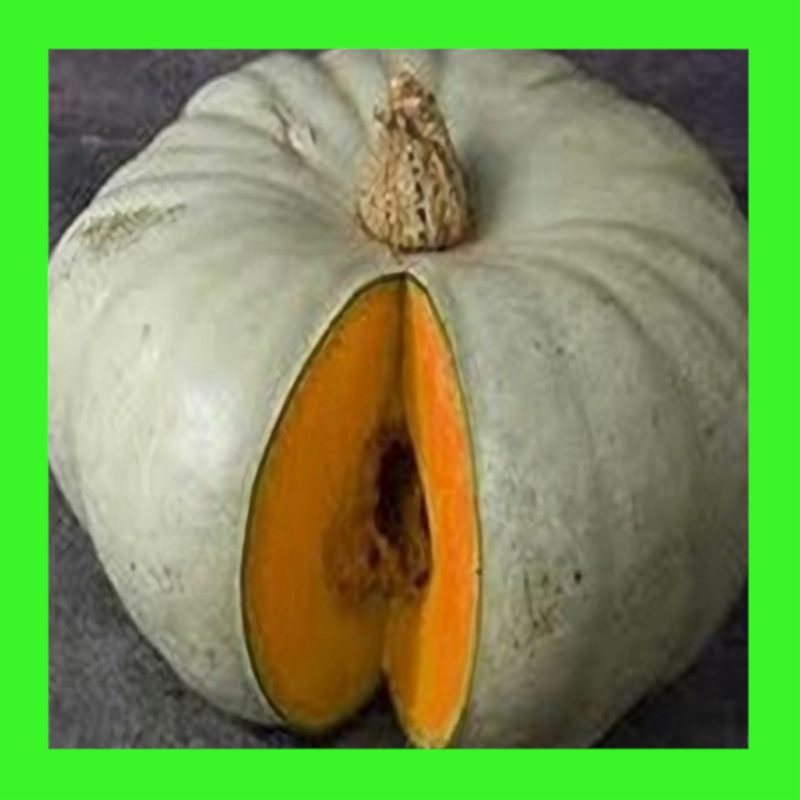
PUMPKIN-WHANGAPARAOA CROWN-NZ
$3.50
Shipping and taxes calculated at checkout
Cucurbita maxima
PUMPKIN-WHANGAPARAOA CROWN is a rare New Zealand heirloom pumpkin that came close to disappearing. It has a flattened or squat shape with deep ridges and a prominent, crown-like protrusion at the top. The skin turns a blue-grey colour, while the flesh is a dry, rich, orange-yellow solour. It has a small seed cavity, with a sweet nutty flavour.
Often used in pies, soups, savoury dishes, and is excellent for baking. One of its distinct features is its long shelf life. When stored in a cool, dry place, the Whangaparaoa Crown pumpkin can last for several months without spoiling, making them a practical choice for winter storage.
Fruits can weigh 4.5 to 9 kilograms (10 and 20 pounds). Some can even reach up to 13.6 kilograms, (30 pounds).
Sow directly in the desired growing position. Prefers good, well-drained soil. Keep moist & well watered once flowers appear & during the growing period.
SKU: PKWC-NZ
- Fast Australia-wide dispatch
- Secure checkout
- 30-day money-back guarantee
How to grow Whangaparaoa Crown Pumpkin
- Choose a sunny location with well-draining soil. The ideal temperature for growing Whangaparaoa Crown pumpkin is between 18-27°C (65-80°F).
- Plant the seeds directly in the ground or in pots. The seeds should be planted 2-4 cm (1-1.5 inches) deep and 1.5-2 m (5-6.5 feet) apart. If planting in pots, use a pot with a minimum diameter of 50 cm (20 inches).
- Water regularly and consistently, especially during hot and dry weather. Water deeply once or twice a week, providing 2.5-5 cm (1-2 inches) of water each time.
- Fertilise with a balanced fertiliser or compost to provide nutrients to the plants. Apply the fertiliser or compost once a month during the growing season.
- Provide support as it grows to prevent the weight of the fruit from breaking the vine. Use trellises or other support structures to keep the pumpkin off the ground.
- Monitor for common pests (and diseases) like squash bugs and cucumber beetles. If you notice any signs of disease, such as powdery mildew or bacterial wilt, take action immediately.
- Harvest Whangaparaoa Crown pumpkin when the skin is hard and the stem is dry. Use a sharp knife to cut the pumpkin from the vine, leaving a small stem attached.
Heritage of Whangaparaoa Crown Pumpkin
The Whangaparaoa Crown Pumpkin boasts a rich and storied heritage deeply rooted in New Zealand's agricultural history. Named after the picturesque Whangaparaoa Peninsula, where it was originally cultivated, this pumpkin variety carries with it a sense of regional pride and innovation. It has played a significant role in traditional Māori cuisine, becoming an integral ingredient in dishes like the beloved "kumara and pumpkin" combination. Beyond its culinary importance, the Whangaparaoa Crown Pumpkin has made appearances at local horticultural shows and festivals,| Plant Height | 34 - 40cm (1'1" - 1'4") |
|---|---|
| Season of Interest | Warm Seasons of Spring and Summer |
| Temperature Range | 18 - 24°C (64 - 75°F) |
| Annual / Perennial / Biennial | Annual |
| Frost Hardy / Tender | Tender |
| Sun Exposure | Full Sun |
| Sow Direct / Raise Seedlings | Sow direct or Raise seedlings |
| Soil Type | Well-draining, fertile soil with plenty of organic matter is ideal |
| Soil pH | 6.0 - 7.0 |
| Soil Temperature | 18°C (65°F) |
| Seed Preparation | Soak in warm water for a few hours before planting |
| Sowing Depth | 2-4 cm (1-1.5 inches) |
| Plant Spacing | 60-120 cm (2-4 feet) |
| Row Spacing | 1.5-2 metres (5-6 feet) |
| Watering | Regular watering is essential, especially during dry periods. Provide deep and consistent moisture to keep the soil evenly moist |
| Germination Time (Days) | 5-10 days |
| Harvest Time (Days) | 75 - 120 |
| Good Companion Plants | Corn, Beans, Marigolds, Nasturtiums, Radishes, Mint |
| Bad Companion Plants | Potatoes, Other Cucurbits, Sunflowers |
| Pests | Aphids, Cucumber Beetles, Squash Bugs |
| Diseases | Powdery Mildew, Downy Mildew, Bacterial Wilt, Cucumber Mosaic Virus (CMV) |
| Not shipped to Tasmania | true |
| Seeds per pack | 5 |
| Min temperature (C) | 18 |
| Max temperature (C) | 24 |

PUMPKIN-WHANGAPARAOA CROWN-NZ
$3.50

More About Direct Compost Solutions
When I started this journey in 2009, I found nothing existed commercially, that was reasonably priced and easy to use. There was a homemade system which I also found was not that user-friendly.
Then a friend of mine told me about a homemade method she used. However, when I tried her method, I found this also didn't suit my needs, as it too had flaws that I considered where important. It did not keep vermin out, did not have a lockable lid and (to me) looked unsightly in the garden.
