

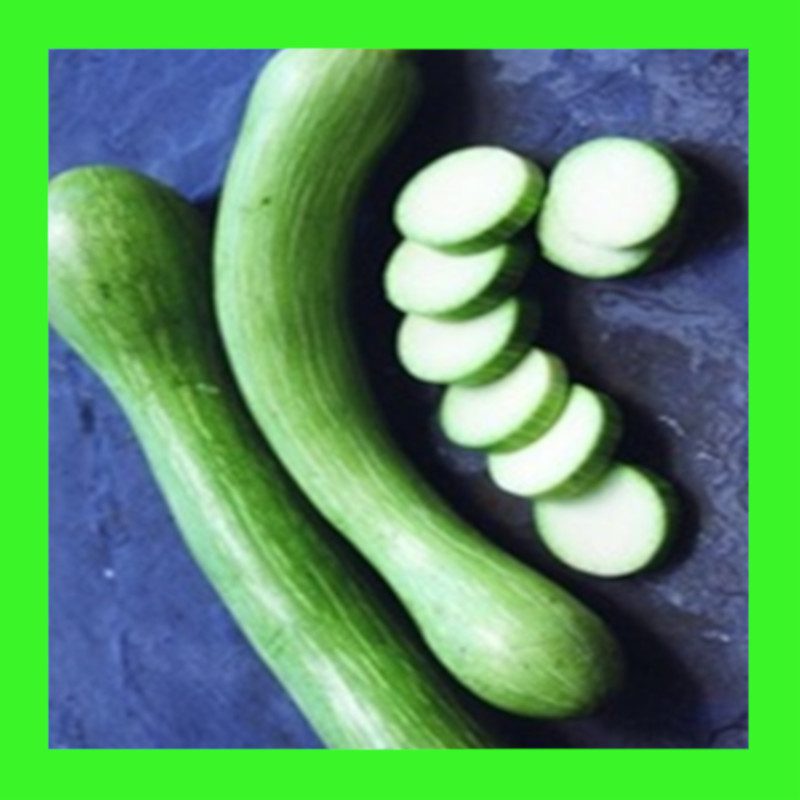
SQUASH-TROMBONCINO
$3.50
Shipping and taxes calculated at checkout
Cucurbita moschata
SQUASH-TROMBONCINO Squash, also known as Zucchetto or Zucchetta, is a unique and versatile Italian squash variety loved by gardeners and cooks for its unusual trombone-shaped fruit and rich flavour. Most often used as a summer squash, Tromboncino can be harvested young and tender like zucchini, or left to mature into a larger squash. The light green to tan fruit can grow up to 1 metre long and is best grown on a trellis to keep the fruit straight, although mature fruit left unsupported will often curl into its classic trombone shape. Delicious steamed, grilled, or sliced raw into salads, Tromboncino Squash is a wonderful alternative to ordinary zucchini and a rewarding variety to grow in the home garden.
SKU: SQT
- Fast Australia-wide dispatch
- Secure checkout
- 30-day money-back guarantee
Additional growing tips for Tromboncino Squash
- Pick young fruit: often if you want a zucchini-style crop. Regular picking encourages the plant to keep producing more young, tender fruit.
- Leave some fruit to mature fully: if you want a firmer squash that stores longer. Young fruit is used like zucchini, while mature fruit is used more like winter squash.
- For the straightest fruit: train the vines early before they become too tangled. Tie the main runners gently to the trellis as they grow.
- Do not worry if the mature fruit curls into odd shapes: This is normal and is part of why it is called Tromboncino, because the mature fruit can resemble a trombone.
- Plant it where bees and pollinators can easily find the flowers: The large yellow flowers are attractive to pollinators, which helps with fruit set.
- If flowers form but fruit drops off when tiny: it may be poor pollination rather than a plant problem. Hand pollination can help by moving pollen from a male flower to a female flower.
- Tromboncino is often considered: more resistant to squash vine borer than many common zucchini types because it belongs to the Cucurbita moschata group, but it should still be checked for pest damage.
- Keep the fruit off damp soil where possible: Trellising helps reduce blemishes, rotting, and pest damage by improving airflow around the plant.
- Prune only lightly if needed: Remove badly diseased or overcrowded leaves, but avoid removing too many healthy leaves because they help shade and feed the developing fruit.
- Harvest with a short stem attached: This helps the fruit keep better and reduces damage at the cut end.
- For a fun garden feature: grow Tromboncino over an archway or pergola. The hanging fruit can become quite ornamental as well as edible.
Heritage of Tromboncino Squash
| Plant Height | 90 - 120 cm (3 - 4 feet) |
|---|---|
| Season of Interest | Summer to early Autumn |
| Temperature Range | 18 - 30°C (64 - 86°F) |
| Annual / Perennial / Biennial | Annual |
| Frost Hardy / Tender | Frost Tender |
| Sun Exposure | Full Sun |
| Sow Direct / Raise Seedlings | Sow Direct |
| Soil Type | Fertile, well-drained soil |
| Soil pH | 6.0 - 7.5 |
| Soil Temperature | 18 - 24 °C (65 - 75 °F) |
| Seed Preparation | None required |
| Sowing Depth | 2.5 cm (1 inch) |
| Plant Spacing | 90 cm (36 inches) |
| Row Spacing | 120 - 150 cm (48 - 60 inches) |
| Watering | Moderate |
| Germination Time (Days) | 7 - 14 days |
| Harvest Time (Days) | 70 - 80 days |
| Good Companion Plants | Corn, Beans, Marigolds |
| Bad Companion Plants | Potatoes |
| Pests | Squash vine borers, Aphids |
| Diseases | Powdery mildew, Bacterial wilt |
| Seeds per pack | 18 |
| Min temperature (C) | 18 |
| Max temperature (C) | 30 |

SQUASH-TROMBONCINO
$3.50

More About Direct Compost Solutions
When I started this journey in 2009, I found nothing existed commercially, that was reasonably priced and easy to use. There was a homemade system which I also found was not that user-friendly.
Then a friend of mine told me about a homemade method she used. However, when I tried her method, I found this also didn't suit my needs, as it too had flaws that I considered where important. It did not keep vermin out, did not have a lockable lid and (to me) looked unsightly in the garden.
