
FRUIT-TINY TOT-WATERMELON
FRUIT-TINY TOT-WATERMELON
A$3.50
Availability: 55 in stock
Citrullus lanatus
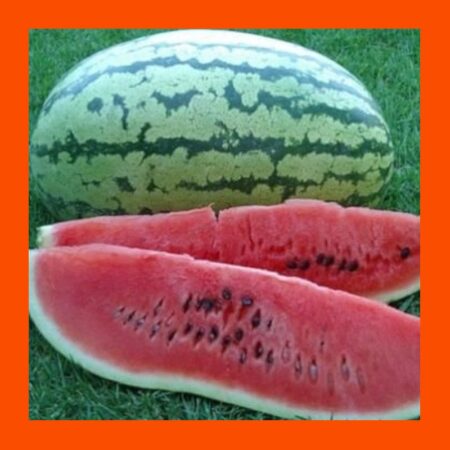
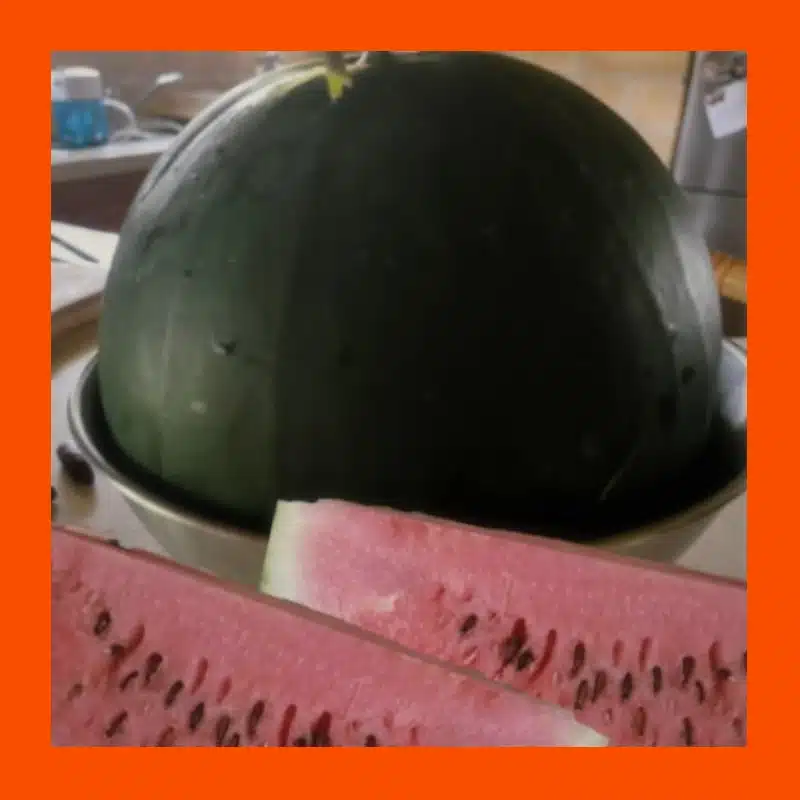
Fruit-Tiny Tot Watermelon produce compact, small-sized watermelons that are ideal for home gardens, raised beds, and gardeners wanting a manageable fridge-size fruit. This variety is known for producing round green watermelons with sweet red flesh, usually weighing around 2–3 kg. Easy to enjoy fresh from the garden, Tiny Tot Watermelon is a practical choice for warm-season growing where space is limited but full watermelon flavour is still wanted.

How to Grow Tiny Tot-Watermelon
- Choose a warm, sunny position as Tiny Tot Watermelon needs a warm growing season and a position with full sun. Choose a spot that receives at least 6 hours of direct sunlight each day, with plenty of room for the vines to spread. Watermelons grow best in fertile, well-drained soil enriched with compost or aged manure.
- Sow outdoors, after all danger of the last frost has passed, and the soil has warmed. Tiny Tot can be directly sown into the garden, or started in pots in cooler areas and planted out once the weather is reliably warm.
- Plant seeds about 20 mm deep. Water gently after sowing and keep the soil moist, but not soggy, until seedlings appear. Watermelon seeds usually germinate best in warm soil, around 27- 32°C.
- Space plants around 60–80 cm apart, with rows about 150–180 cm apart. Even though Tiny Tot produces smaller fruit, the vines still need room to grow and spread. If space is limited, vines may be trained up a strong trellis, but fruit will need support as it develops.
- Watermelons need consistent moisture while they are growing, flowering and setting fruit. Water deeply at soil level rather than over the leaves, as wet foliage can encourage fungal problems. Avoid letting plants dry out severely, especially while fruit is forming.
- Feed for healthy vine and fruit growth in well prepared soil with compost or aged manure. A little extra fertiliser may be needed. In poorer soils, use a balanced vegetable fertiliser when seedlings are established, then a liquid feed during flowering and fruiting if plants need a boost. Avoid too much nitrogen, as this can encourage leafy growth at the expense of fruit.
- Watermelon plants produce separate male and female flowers on the same vine. Bees and other insects are important for pollination and good fruit development. If fruit begins to form but then shrivels, poor pollination may be the cause. Hand pollination can be done by transferring pollen from a male flower to a female flower.
- Once fruit starts forming, place straw, sugar cane mulch, cardboard, or another dry barrier under each melon to help keep it off wet soil and reduce the risk of rotting.
- Tiny Tot Watermelon is usually described as a quick-growing variety, producing small fridge-size fruit of around 2 – 3 kg in about 75 days from sowing, though growing time can vary with climate and conditions. Look for ripeness signs such as a dry brown tendril near the fruit stem, a duller skin surface, a heavy feel for its size, and a yellowing patch where the fruit rests on the ground.
- Harvest carefully. Cut ripe fruit from the vine with a short piece of stem attached. Store harvested watermelons in the fridge and use them soon after picking for the best flavour and texture. Tiny Tot’s smaller size makes it ideal as a manageable, fridge-size watermelon for home gardens.
Additional growing tips of Tiny Tot-Watermelon
- Use a soil thermometer, not just the calendar. Watermelon can sulk badly if planted into cold soil. A little trick is to check the soil temperature early in the morning, when it is at its lowest, before deciding whether to sow or transplant. Watermelon seed germinates best once soil at seed depth is above about 21°C / 70°F.
- Start seedlings in pots that minimise root disturbance. Watermelons dislike having their roots disturbed, so if raising seedlings, use individual pots, peat pots, or larger cells and transplant while still young. Watermelons are difficult to transplant and need suitable containers to succeed.
- Pre-warm the growing bed before planting. In cooler areas, black plastic, low tunnels, or temporary covers can warm the soil earlier and give melons a stronger start. Soil-warming mulches and low tunnels can allow earlier planting and maturity, but covers should be removed once flowering begins so bees can access the flowers.
- Don’t panic if the first flowers do nothing. Male flowers often appear before female flowers, so early flowers may open and fall without fruit forming. Female flowers are the ones with the tiny swollen “baby watermelon” behind the flower. Male flowers appear at least a week before female flowers.
- Hand-pollinate early female flowers if bee activity is low. Watermelon pollen is heavy and sticky, so wind will not move it properly. If bees are scarce, touch pollen from a fresh male flower onto the centre of a female flower in the morning. Good pollination is especially important for the first flush of female flowers.
- Support fruit early if growing vertically. Tiny Tot’s smaller fruit size makes it more practical for trellising than large watermelons, but the fruit should still be supported in a sling made from soft cloth, netting, or old stockings before it gets heavy. Personal-size watermelons under about 3.2 kg / 7 lb are suitable for trellising.
- Keep only the best-shaped fruit if vines are overloaded. If a vine sets too many small or misshapen fruit, removing poor fruit can help the plant put energy into the better ones. Pruning or removing misshapen or poorly pollinated fruit can improve the balance between vine growth and fruit set.
- Think potassium once fruit is forming. Too much nitrogen gives lush vines, but potassium is important for fruit quality and sweetness. Adequate potassium fertilisation is important for melon crops because potassium is correlated with melon sweetness.
- Ease back on heavy watering near ripening. Keep plants alive and steady, but avoid suddenly overwatering late in fruit development. Excessive irrigation in the later ripening stage can reduce sugar levels and cause fruit cracking.
- Use drip watering if possible. Drip irrigation keeps moisture near the root zone while keeping the leaves dry, which can reduce disease pressure compared with overhead watering. Drip irrigation helps crops grow evenly, reduces weed emergence, and keeps foliage dry.
- Grow in slightly raised soil if your garden holds water. Watermelons prefer rich but well-drained soil, and they dislike sitting in wet, heavy ground. Raised mounds or raised rows can help drainage, especially after heavy rain. Watermelons prefer organic, rich, well-drained sandy soils, but most soils can work if drainage is good.
Heritage of Tiny Tot Watermelon
Tiny Tot Watermelon is a relatively modern small “fridge-size” or personal-size watermelon variety rather than an old documented heirloom with a clearly published origin story. It is sold as a sweet, productive watermelon with crisp red flesh, producing small fruit around 2–3 kg in about 75 days from sowing. Watermelons themselves have a very ancient heritage, with modern domesticated watermelon traced back to Africa. DNA evidence points to the Kordofan melon from Sudan in north-east Africa as the closest relative of domesticated watermelon, and that Egyptian tomb paintings show watermelon being eaten in the Nile Valley more than 4,000 years ago. Tiny Tot continues that long watermelon history in a compact, practical form suited to home gardens and smaller households.
SHOP Garden Supplements
Category Colour Guide
Planting Guide for Australia
Climate Search Tool
Scoville Heat Units (SHU)
Plant Height
30 - 45cm (1⅛" - 1'6")
Season of Interest
Spring / Summer
Temperature Range
21 - 29°C (70 - 84°F)
Determine / Indeterminate
Annual / Perennial / Biennial
Annual
Frost Hardy / Tender
Frost Tender
Full Sun / Part Sun / Shade
Full Sun
Sow Direct / Raise Seedlings
Sow directly, but seedlings can also be started indoors.
Soil
Fertile, compost-rich, well-drained soil. Sandy loam or loose soil is ideal
pH
6.0 - 6.8
Soil Temperature
27 - 32°C (81 - 90°F)
Seed Preparation
No special seed preparation required
Sowing Depth
2mm (⅛")
Plant Spacing
60 - 80cm (1'12" - 2'7")
Row spacing
150 - 180cm (4'11" - 5'11")
Watering
Keep soil consistently moist, especially during flowering and fruit development, but do not waterlog
Germination Time (Days)
10-14
Harvest Time (Days)
75 -85
Good Companion Plants
Borage, Marigold, Nasturtium, Sweet alyssum, Dill, coriander or parsley flowers, Basil, Radish, Bush beans
Bad Companion Plants
Potatoes, Other cucurbits grown too closely. Large dense plants such as: tomatoes or eggplants planted too close, Tall plants that shade the vines, Fennel
Pests
Aphids, especially melon aphid, Whitefly, Thrips, Caterpillars, including heliothis and cucumber moth, Pumpkin beetles, Cucumber fly, Two-spotted mite / spider mites, Cutworms and armyworms, Leafhoppers, Snails and slugs, Root-knot nematodes
Diseases
Damping off, Root rots, Powdery mildew, Downy mildew, Anthracnose, Gummy stem blight, Alternaria leaf spot, Septoria spot, Fusarium wilt, Angular leaf spot, Bacterial leaf spot, Bacterial wilt, Watermelon mosaic virus, Cucumber mosaic virus, Papaya ringspot virus
More About Us
When I started this journey in 2009, I found nothing existed commercially, that was reasonably priced and easy to use. There was a homemade system which I also found was not that user-friendly.
Then a friend of mine told me about a homemade method she used. However, when I tried her method, I found this also didn’t suit my needs, as it too had flaws that I considered where important. It did not keep vermin out, did not have a lockable lid and (to me) looked unsightly in the garden